
From the hand-cranked engine to GPS navigation, the modern car is essentially a century's worth of brilliant problem-solving stacked on four wheels. Some inventions saved millions of lives, others simply made the daily commute more bearable, but each one permanently altered what it meant to sit behind the wheel. These are the automotive breakthroughs that shaped every road trip, commute, and midnight drive since.
The Invention of the Seatbelt
Nils Bohlin invented the three-point seatbelt for Volvo in 1959, and then Volvo did something almost unheard of in corporate history: they gave the patent away for free. Every automaker could use it, no licensing fees, no strings attached. Volvo's reasoning was simple — a safety device only saves lives if everyone uses it. Estimates put the death toll prevented at over a million people since then.

A billion-dollar invention, handed to competitors for nothing. Whatever your feelings about Swedish cars, that's one of the most quietly heroic business decisions ever made.
The Airbag Deploys in Milliseconds
An airbag deploys in roughly 30 milliseconds — faster than you can blink, faster than your brain registers the crash is even happening. John Hetrick filed the first U.S. patent in 1953, but it took until 1988 for Chrysler to make it standard equipment on the LeBaron. Ford and GM dragged their feet for years. The thing that finally forced everyone's hand wasn't innovation — it was a federal mandate.
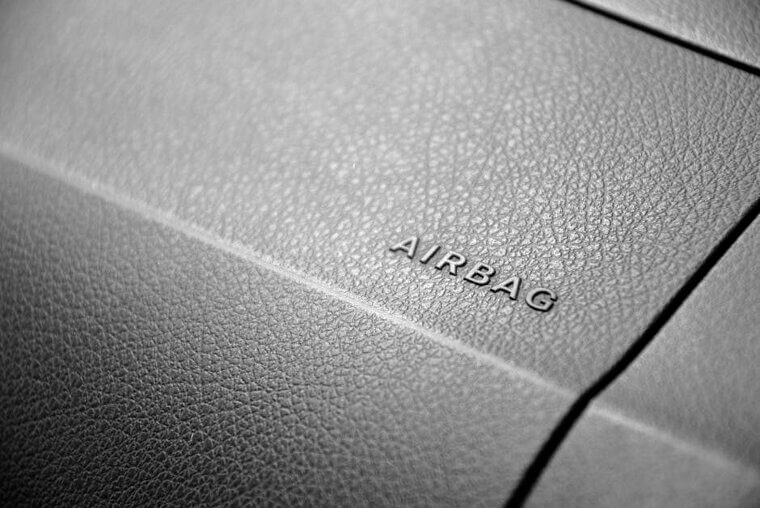
Decades of automakers calling it 'too expensive to implement.' The average airbag system today costs about $300 to produce. Thirty years of delay, one law, and suddenly it was everywhere — a pattern you'll see again and again on this list.
The Rise of Power Steering
Francis Davis invented power steering in 1926, spent years pitching it to automakers, and got laughed out of every boardroom. Then World War II happened — the Army needed heavy vehicles that soldiers could actually steer — and suddenly everyone was interested. Chrysler put it in the 1951 Imperial, charged a premium, and called it a luxury feature. Within a decade, it was standard on nearly every car in America.
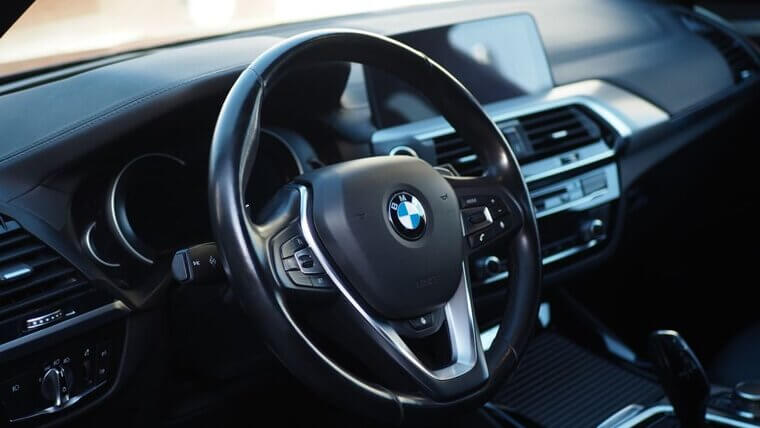
A guy gets ignored for 25 years, one war changes everything, and now you've never once thought about how easy it is to parallel park. Next up: the invention that made parallel parking optional.
The Automatic Gearbox Ditches the Clutch
General Motors engineer Oscar Banker filed the patent in 1932, but it took until 1940 for the Hydra-Matic to hit actual production cars — first in the Oldsmobile Custom 8. GM charged $57 extra for it, which sounds laughable until you remember that's roughly $1,200 today. Drivers who'd spent decades wrestling a clutch pedal through city traffic bought 200,000 of them in the first two years alone.
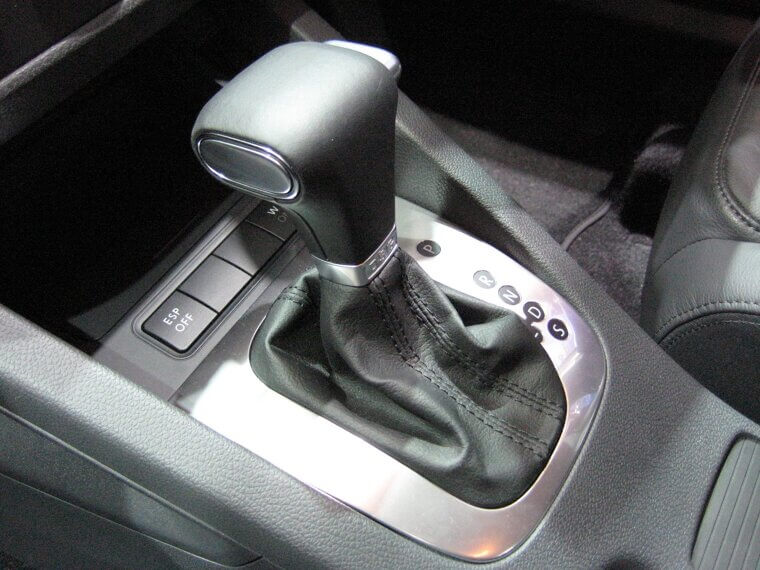
Purists called it lazy. Those purists also had left knees that gave out at 50. The next invention made even the Hydra-Matic look primitive.
The First Electric Headlights on Cars
Before 1912, driving after dark meant squinting past acetylene gas lamps that flickered out in the rain and occasionally caught fire. Cadillac changed everything that year by wiring electric headlights directly into Charles Kettering's new self-starting ignition system — one package deal that killed two terrifying problems at once. Suddenly, night driving wasn't a death wish. It was just... driving.
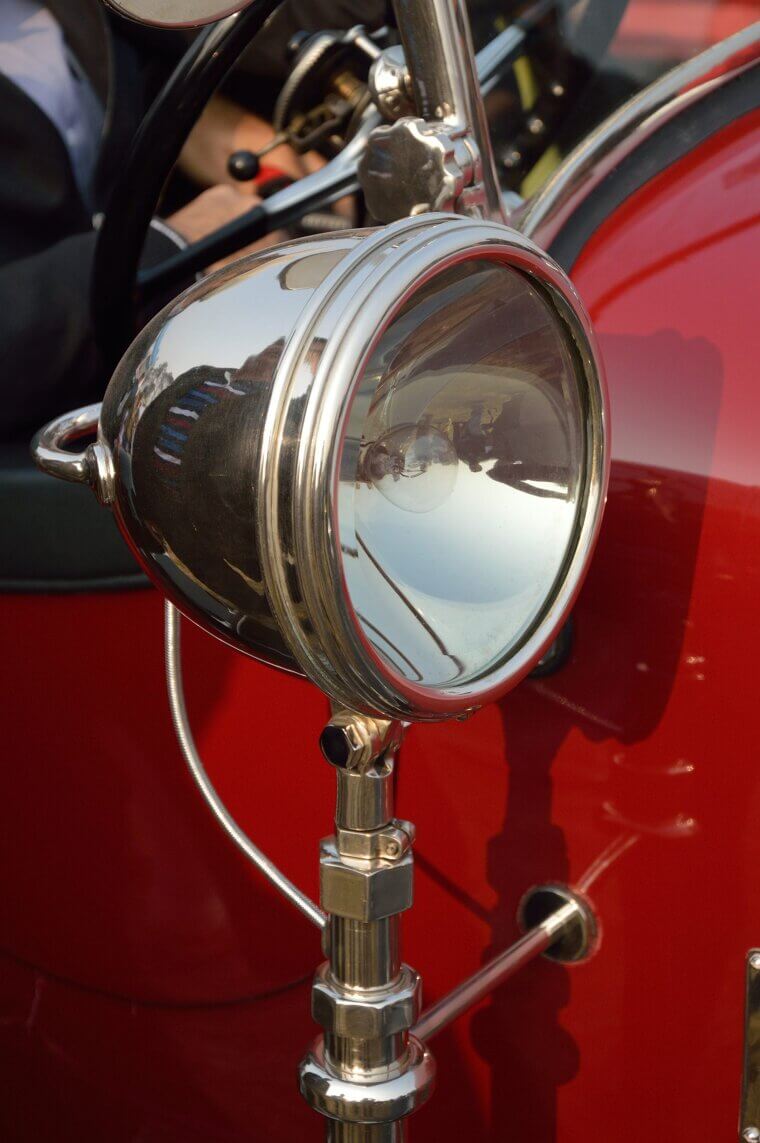
Gas lamp manufacturers called electric headlights a gimmick. Within four years, every major automaker had them standard. The guys who laughed loudest went out of business first.
The First Windshield Wiper Patent Filed
Mary Anderson got the idea watching a New York City streetcar driver stop every few minutes to wipe rain off the windshield by hand — in 1902. She patented a spring-loaded rubber blade operated from inside the vehicle, got laughed out of every boardroom she approached, and watched her patent expire in 1920 right before the auto industry quietly made her invention standard on every car they built.
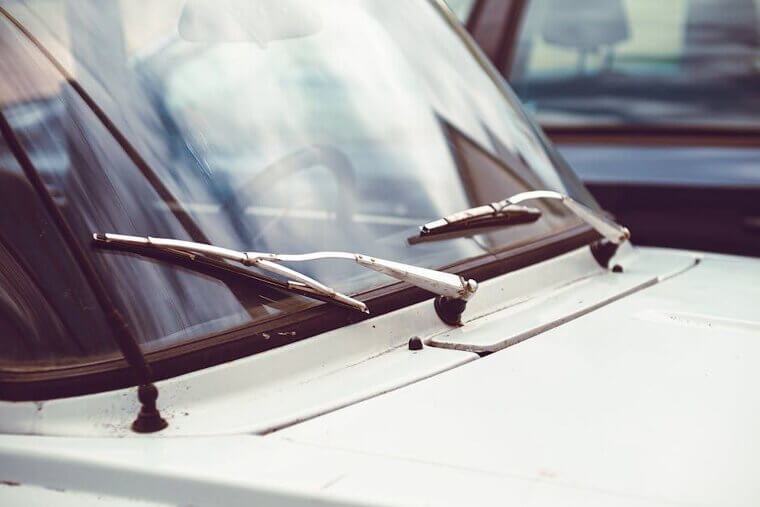
She never made a dime off it. Cadillac started offering it as standard equipment in 1922 — two years after her patent ran out. The timing is almost impressive in how cruel it is.
Disc Brakes Replace the Old Drum Style
Jaguar's C-Type won Le Mans in 1953 partly because its rivals were still hauling themselves to a stop with drum brakes — technology essentially borrowed from horse-drawn carriages. Disc brakes, developed by Dunlop, could shed speed from 100mph repeatedly without fading into mush. Drums would overheat, go spongy, and quietly try to kill you. The C-Type just... stopped.
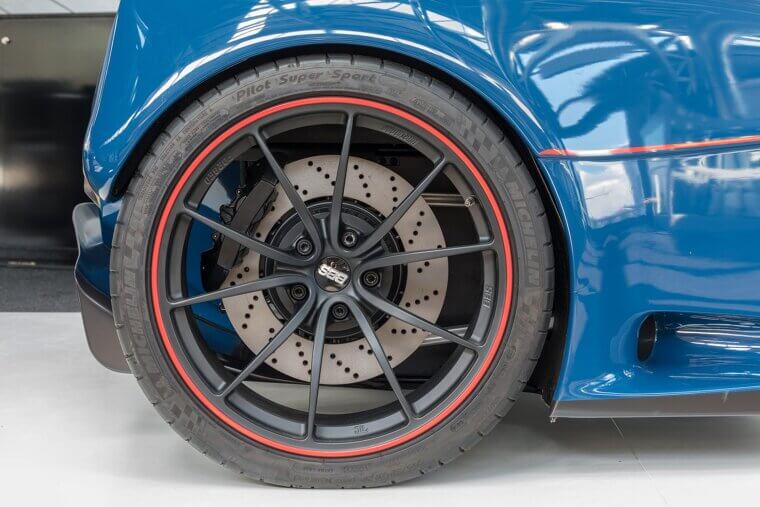
By 1955, Citroën put discs on a production car. By 1969, federal safety standards were quietly rewriting the rulebook — and drum brakes started their long, embarrassing retirement.
The Birth of the Car Radio
Paul Galvin nearly went broke twice before he hit on the idea that saved Motorola. In 1930, he bolted a radio receiver into his own Studebaker, drove it to a radio convention in Atlantic City, and parked outside — letting the music do the selling. The first units cost $130, roughly $2,300 today. The U.S. government briefly tried to ban them, convinced drivers would crash.
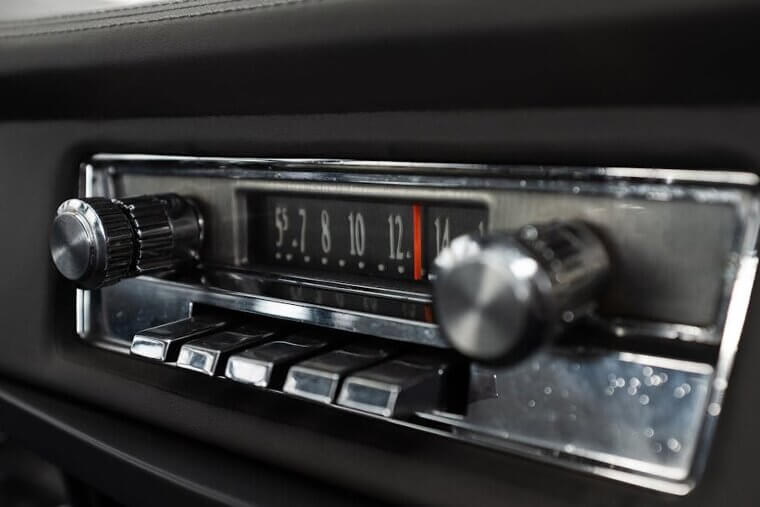
The ban never happened, Motorola became a billion-dollar company, and your commute got infinitely more bearable. Next up: the invention that made speeding tickets possible.
Turn Signals Replace Hand Gestures
Before 1939, telling someone you were about to turn left meant sticking your arm out the window and hoping for the best — in the rain, in winter, at 50 mph. Buick changed that by offering the first self-canceling electric turn signal as standard equipment. Other automakers called it a gimmick. Within a decade, every car had one.
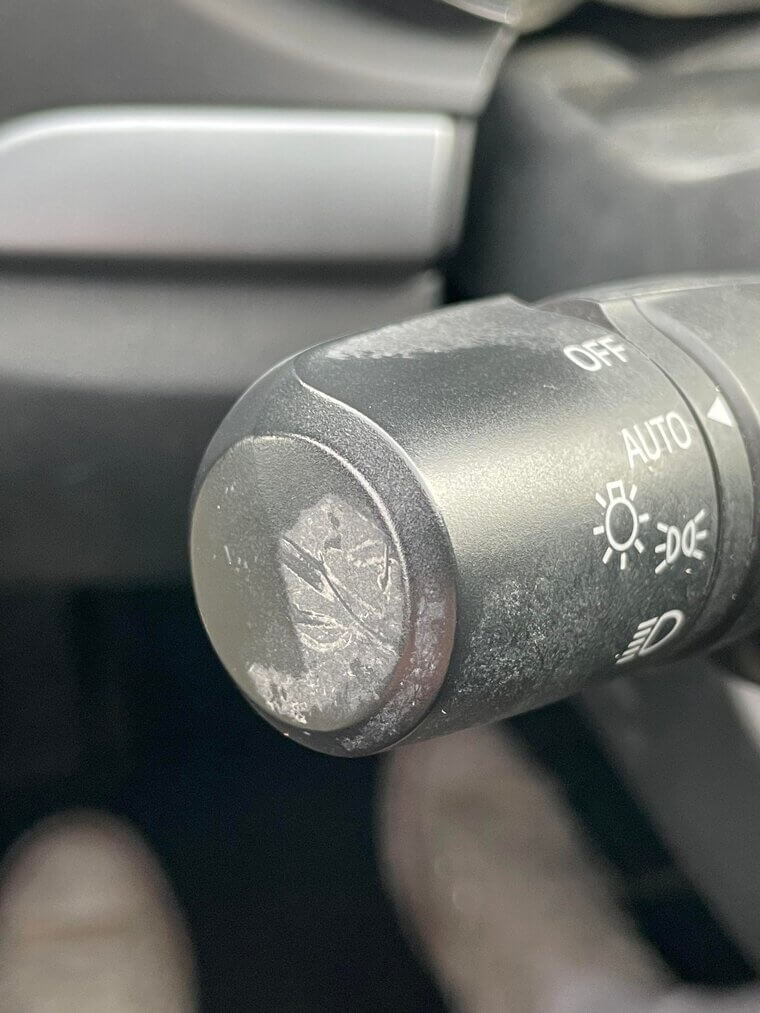
The arm-out-the-window method technically still works — and is still legal in most states. Which means your grandfather's driving technique has outlasted three generations of cars. Next up is the invention that made parallel parking survivable.
Rearview Mirrors Add a New Perspective
Ray Harroun won the first Indianapolis 500 in 1911 without a riding mechanic — every other driver had one specifically to watch for traffic behind them. Harroun's workaround was a small mirror mounted on his Marmon Wasp. Race officials actually tried to disqualify him over it. He won anyway, and within a decade, mirrors were standard on every car rolling off the line.
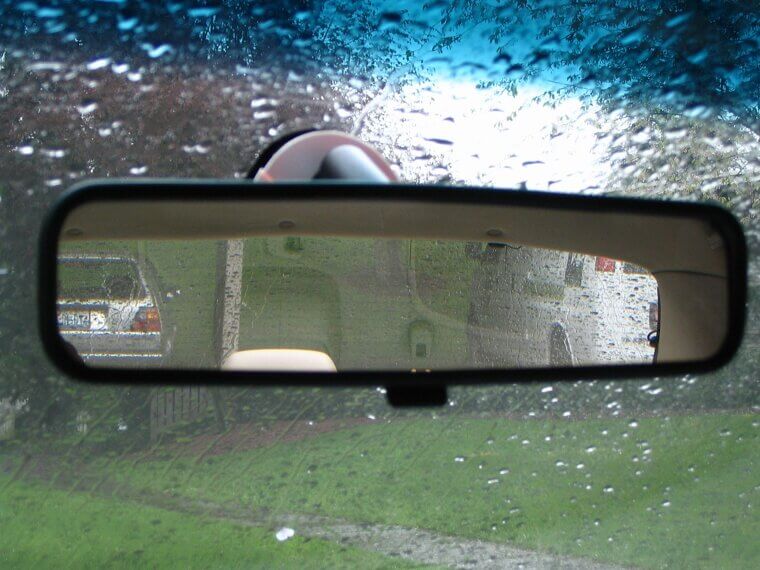
One guy being too cheap to hire a co-pilot accidentally gave every driver on earth a safety feature they use roughly 400 times a day. Not bad for a shortcut.
Cruise Control Debuts on the Chrysler Imperial
Ralph Teetor invented cruise control while riding as a passenger — frustrated by his lawyer's habit of slowing down while talking and speeding up while listening. Blind since age five, Teetor never drove a car himself. Chrysler debuted his 'Autopilot' system on the 1958 Imperial, and the option cost buyers $86.85. That's roughly $950 today for tech that's now standard on a $22,000 Corolla.
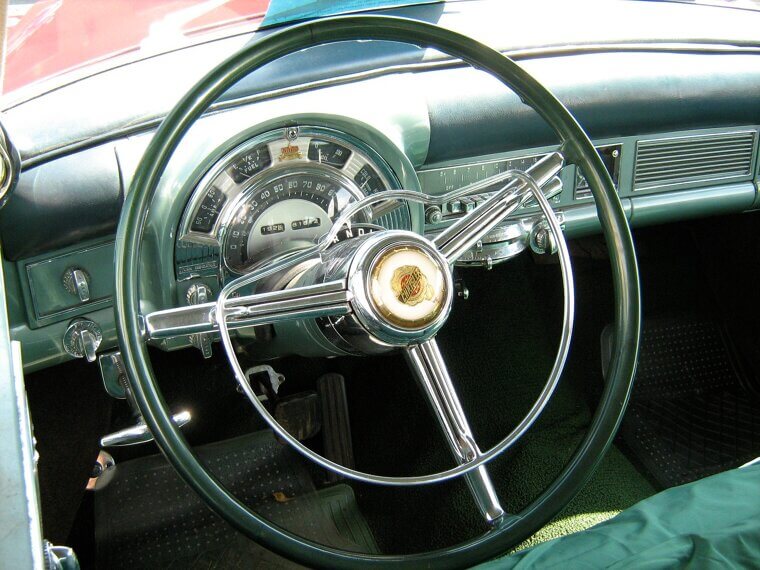
A blind man invented the thing that lets you take your foot off the pedal at 75mph. Let that sit for a second. Next up: the invention that made sure you survived when it all went wrong.
The Invention of Anti-Lock Brakes
Bosch and Mercedes-Benz spent over a decade and roughly $700 million developing ABS before the 1978 S-Class became the first production car to offer it. The whole premise sounds obvious now — pump the brakes faster than any human foot can — but test drivers kept spinning out on wet roads until engineers figured out the wheel-speed sensors had to sample 10 times per second to actually work.
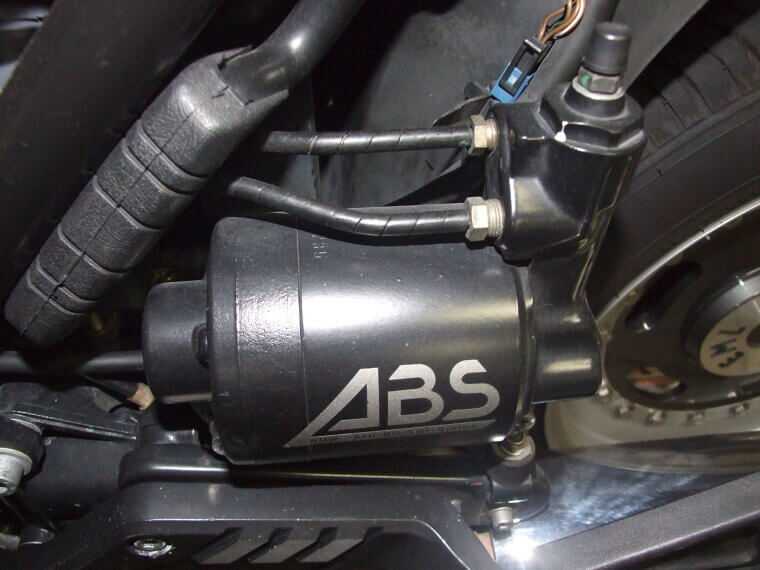
Your car does this automatically about 15 times per second now. The 1978 system managed it with hardware the size of a shoebox. Next slide makes ABS look almost quaint.
Catalytic Converters Clean Up Exhaust
Los Angeles in 1970 was so smoggy that schoolchildren were banned from running at recess — the air was literally too toxic to exercise in. The catalytic converter, mandated by the Clean Air Act and first fitted to 1975 model-year cars, quietly fixed that. One platinum-coated honeycomb turning carbon monoxide into carbon dioxide. Simple idea, genuinely world-altering results.
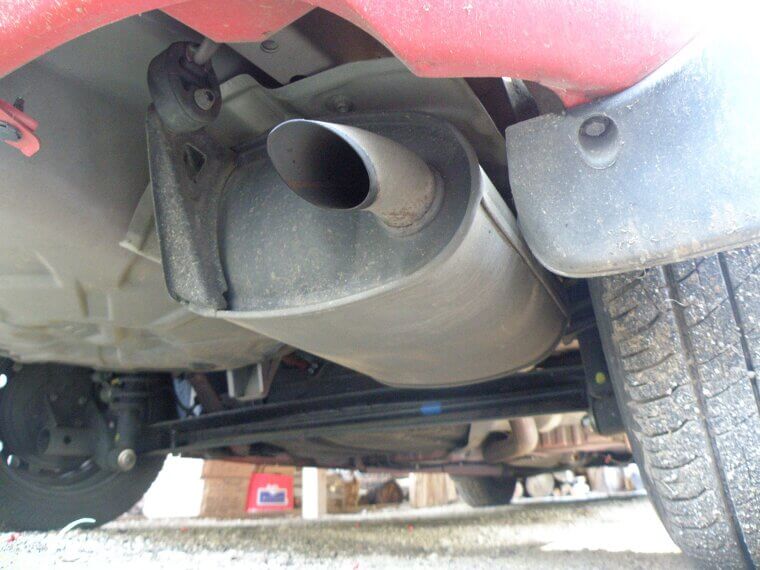
That little canister under your car is also why thieves will saw it off in broad daylight — the platinum inside is worth more per ounce than gold right now.
GPS Navigation Replaces Paper Maps
Before GPS, a wrong turn in an unfamiliar city meant pulling over, unfolding a map the size of a bedsheet, and pretending you knew what you were looking at. Garmin shipped its first consumer GPS unit in 1991 for $2,500 — about $5,700 today. By 2009, standalone GPS devices were outselling everything except cell phones. Then smartphones quietly ate the entire category alive.
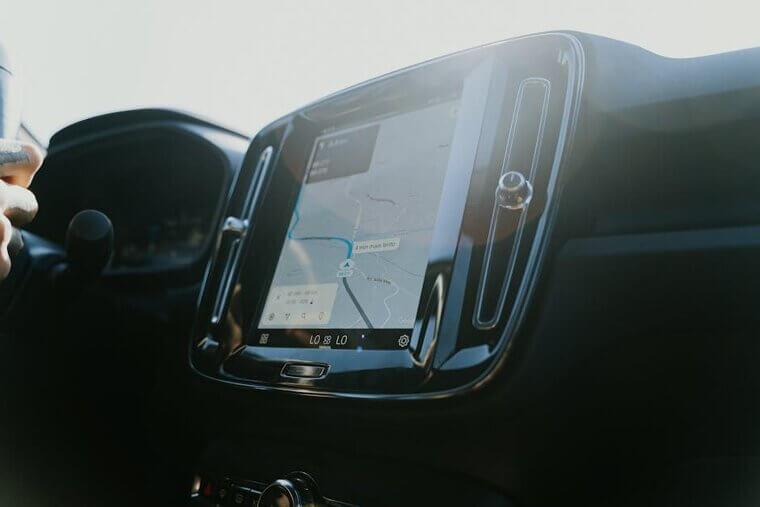
The Garmin StreetPilot that cost your dad a small fortune in 2004 is now a $3 thrift store find. The maps on it still show a Blockbuster near you.
Radial Tires Improve Road Handling
Michelin engineers figured out in 1946 that the way tire cords were arranged was quietly destroying handling — and nobody had noticed because everyone was too busy copying the same bias-ply design. Their fix, the radial, ran cords perpendicular to the direction of travel instead of diagonally. The result: a tire that gripped, flexed, and lasted dramatically longer. European drivers got them first. Americans resisted until the 1970s fuel crisis made fuel efficiency impossible to ignore.
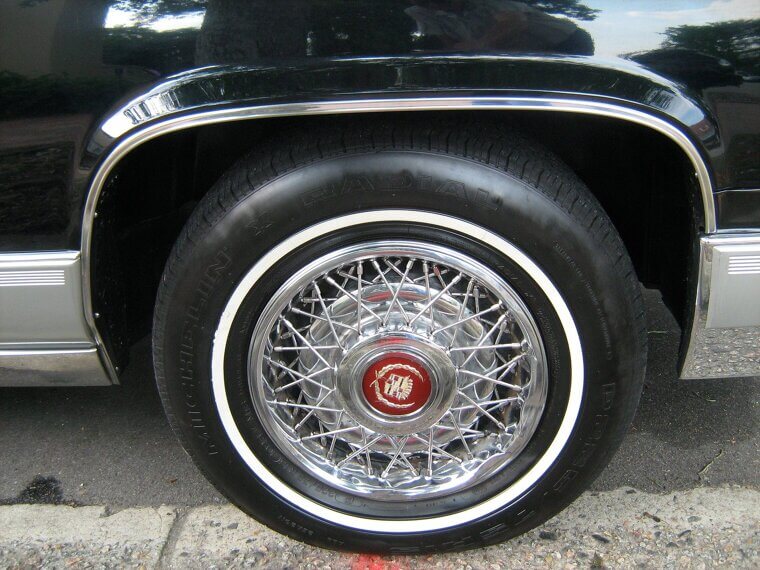
Your car's ability to corner at speed without swapping ends? That's a French engineering argument from 1946 that Detroit spent 30 years refusing to have. Next slide is the invention that made all that speed survivable.
The First Backup Camera in Cars
The first factory backup camera appeared in the 2002 Infiniti Q45 — standard in Japan before most American drivers had even Googled the concept. The U.S. didn't mandate backup cameras in all new cars until 2018. Twenty-seven years of optional technology while an estimated 300 people died annually in backover accidents.
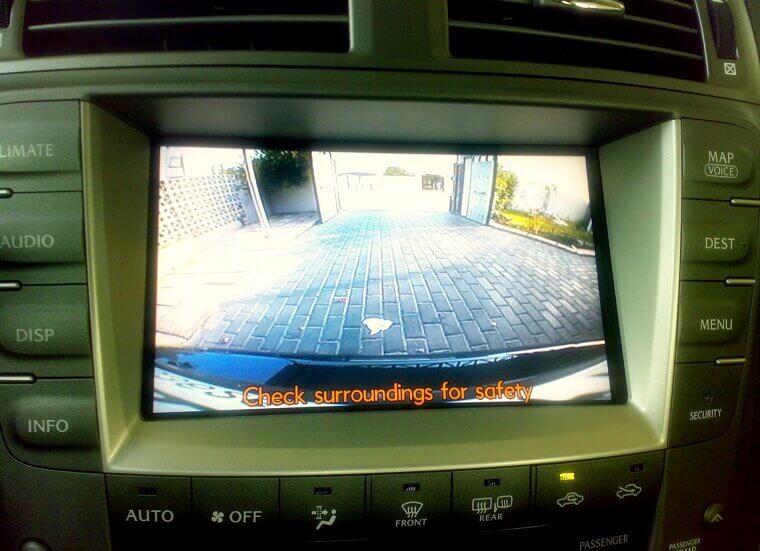
The tech existed. Automakers just needed a federal deadline to actually use it. That gap between 'we can do this' and 'fine, we'll do this' is a recurring theme in this list.
Fuel Injection Replaces the Carburetor
Bosch cracked fuel injection for passenger cars in 1967 with the D-Jetronic system on the VW 1600 — but carburetors fought back for nearly two decades before finally losing. The carburetor's fatal flaw wasn't complexity, it was consistency: cold mornings, high altitude, hard cornering — all of it threw off the fuel mix. Injection just... doesn't care. It calculates, adjusts, and delivers the right amount every single time.
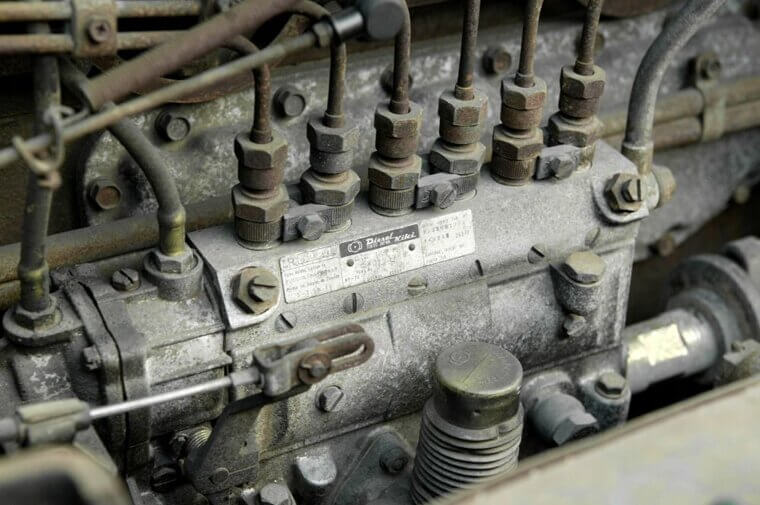
Your grandpa's 1972 Chevelle needed ten minutes of warm-up on a January morning. Your modern car starts at -20°F without a second thought. That's the whole argument, right there. Next up: the invention that made that cold start even quieter.
Electric Power Windows Replace Hand Cranks
Ford introduced power windows on the 1941 Lincoln Custom — not as a convenience feature, but as a selling point for chauffeur-driven cars where the driver needed to control the rear windows without turning around. It took another decade before regular buyers got them. By 1963, Cadillac made all four windows electric standard. The hand crank didn't die quietly — it hung around in economy cars well into the 1990s.
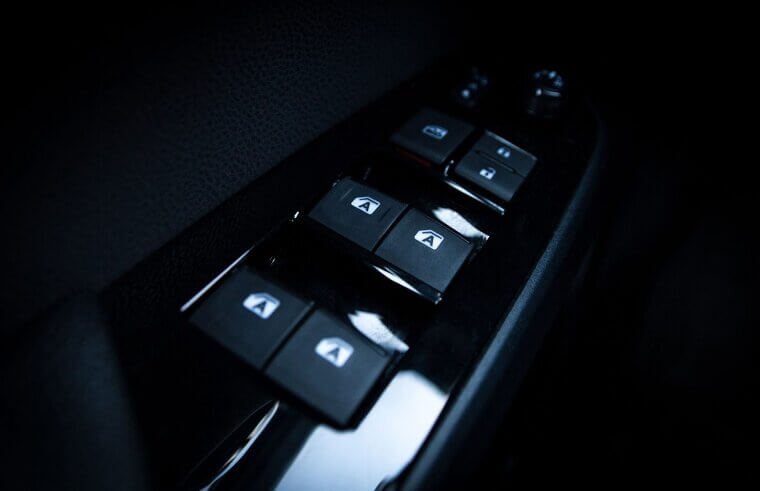
Your 1994 Civic had a crank. Your neighbor's Eldorado had a button. Same year. Same planet. The gap between those two experiences is wider than you remember — and the next invention made it look small.
The First Factory Air Conditioning Unit Installed
Packard debuted factory air conditioning in 1939 — and it cost $274, which was roughly 40% of what some people paid for the entire car. The system was so bulky it ate half the trunk. Sales were modest, but the idea stuck, and by the 1960s, sweating through a summer road trip started feeling optional for the first time in automotive history.

Your grandparents thought paying extra for cold air was absurd. Now try selling a car in Phoenix without it. Next up: the invention that made the whole thing actually controllable.
The Remote Keyless Entry Fob Arrives
General Motors quietly introduced remote keyless entry on the 1989 Pontiac Bonneville, and almost nobody cared — until they tried locking their car in a dark parking garage without it. The little plastic fob contained a rolling security code that changed with every press, making it nearly impossible to clone. That detail alone killed an entire industry of car thieves who'd gotten very good at signal interception.
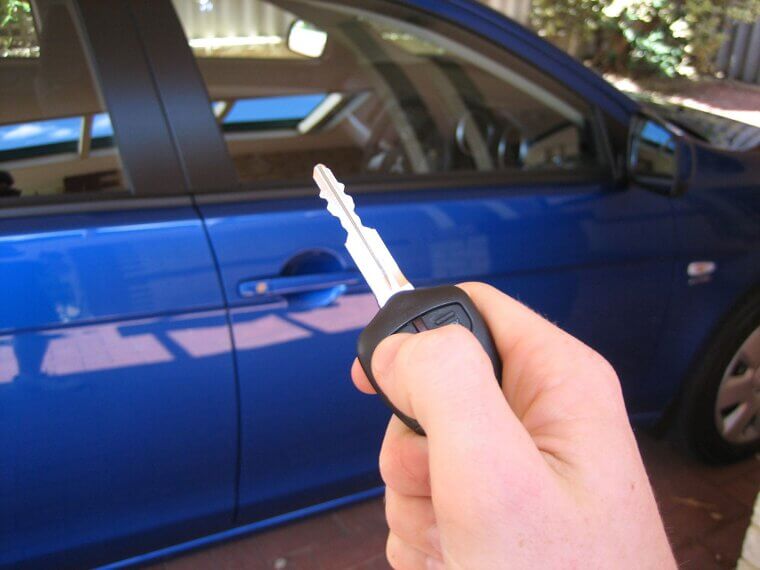
Your parents spent decades walking back to physically check the door handle. You've done it too — you just do it from 50 feet away now, like a slightly more anxious generation.
The Invention of the Speedometer
Before 1902, you had absolutely no idea how fast you were going — and neither did the cop trying to catch you. The first production speedometer appeared on the Oldsmobile Curved Dash that year, a cable-driven needle that topped out at 35 mph. By 1910, most U.S. states required them by law, turning a novelty into the one instrument every driver checks more than any other.
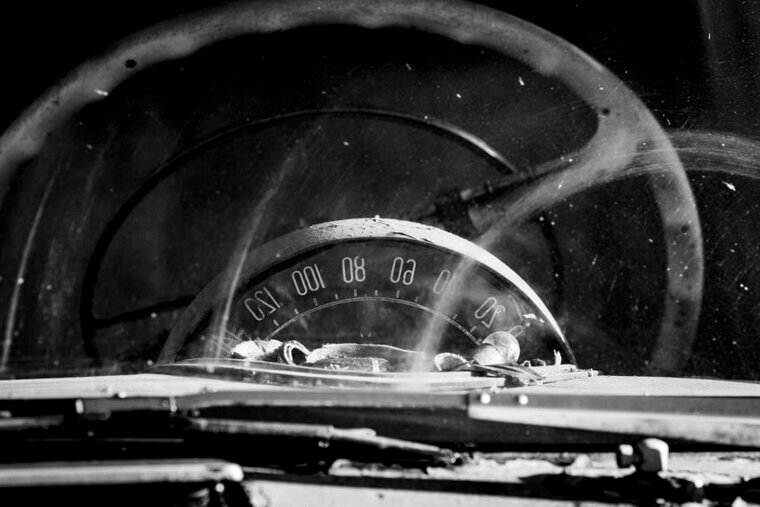
Funny how a device invented to give you information immediately became the thing you nervously avoid looking at. Next up: the invention that made speeding a lot more survivable.
Traction Control Sensors Monitor Wheel Slip
Before traction control, a rear-wheel-drive car on a wet road was basically a polite suggestion to spin out. GM's early Bosch-developed system, rolled out on the 1987 Corvette, used wheel-speed sensors to detect when one tire was rotating faster than physics intended — then quietly cut engine power or applied braking before you even felt the slide begin. You never notice it working. That's the whole point.
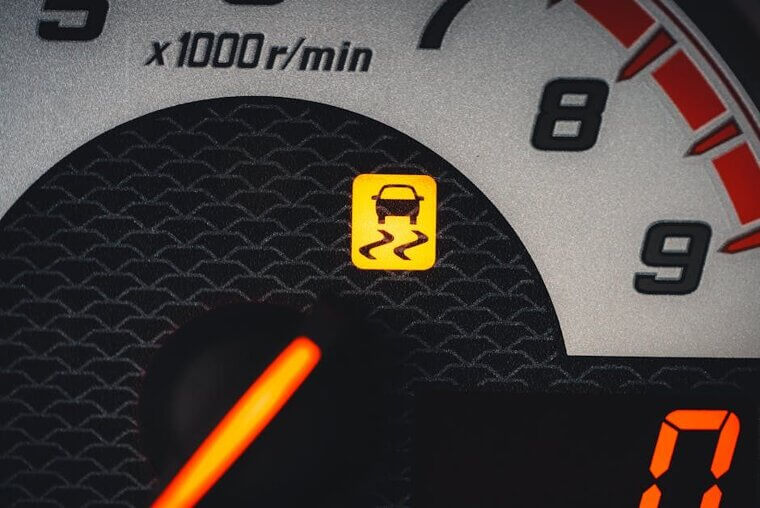
Your grandparents called it 'skill.' You call it Tuesday. Turns out the sensor doing all the quiet heroism costs about $150 to replace — which is less than one tow truck call. Next slide gets expensive fast.
Blind Spot Monitoring Adds Extra Eyes
Volvo quietly introduced blind spot monitoring on the 2007 S80 — and most drivers shrugged. Then the insurance data started rolling in. Vehicles equipped with BSM showed a measurable drop in lane-change crashes, enough that NHTSA began tracking it separately. The system works by bouncing radar off objects you literally cannot see from the driver's seat, then lighting up a small icon in your mirror before you drift into someone's front bumper.
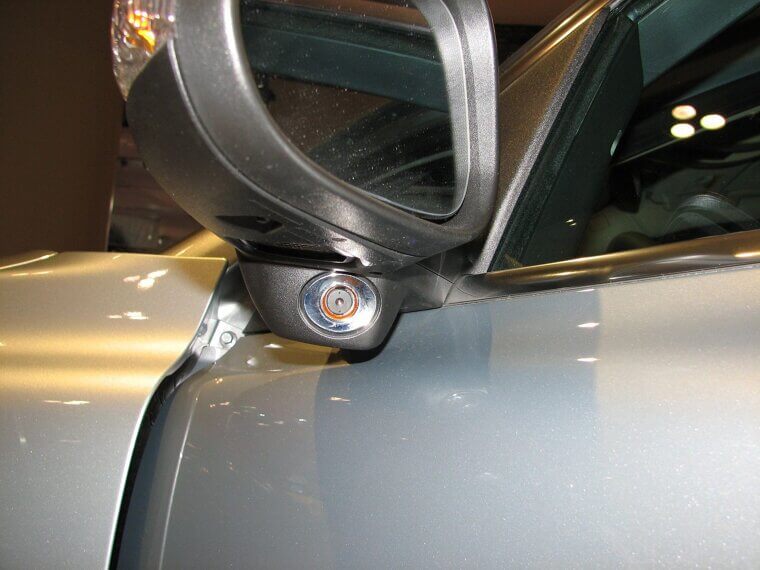
Your mirrors cover maybe 60% of what's actually beside you. That remaining 40% is exactly where the Toyota that totaled someone's Camry last Tuesday was hiding. Next up: the invention that made parking lots less terrifying.
Electronic Stability Control Prevents Skids
In 1995, a Mercedes A-Class tipped over during a routine elk-avoidance test in Sweden — a PR disaster that fast-tracked ESC into production. The system fires individual brakes up to 25 times per second, correcting a skid before your brain even registers something's wrong. Bosch developed the core tech, and by 2012 the U.S. government mandated it on every new car sold.

NHTSA estimates ESC prevents roughly 9,900 crashes every single year in the U.S. alone. A Swedish moose accidentally made your car safer — and the next invention on this list came from an even weirder origin story.
The Humble but Mighty Bumper Guard
Before crumple zones and sensors, the bumper guard was your car's entire defense strategy — a chunk of rubber or chrome bolted to the bumper to absorb parking lot stupidity so the metal underneath didn't have to. The 1970s rubber accordion style became iconic on New York City taxis, legally mandated to survive 5 mph impacts without costing the fleet a dime in repairs.
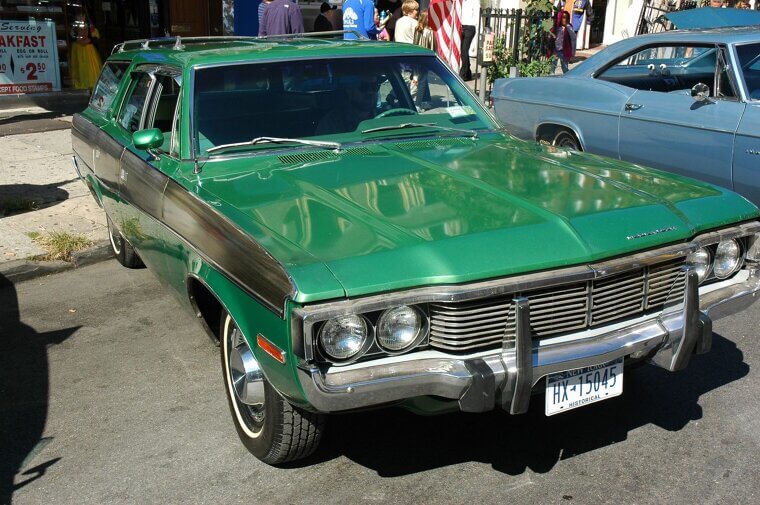
Cheap, ugly, and wildly effective — the bumper guard did more for your wallet than any extended warranty ever will. The next invention took a completely different approach to saving your life.
Heated Seats Warm Up Cold Mornings
Cadillac introduced heated seats in 1966 as a $500 option on the DeVille. The system was primitive and occasionally malfunctioned in ways that made owners wish they'd skipped it. Modern versions use carbon fiber heating elements that reach a comfortable temperature in under 30 seconds — which sounds minor until you've sat on a frozen leather seat at 6 a.m. in January.
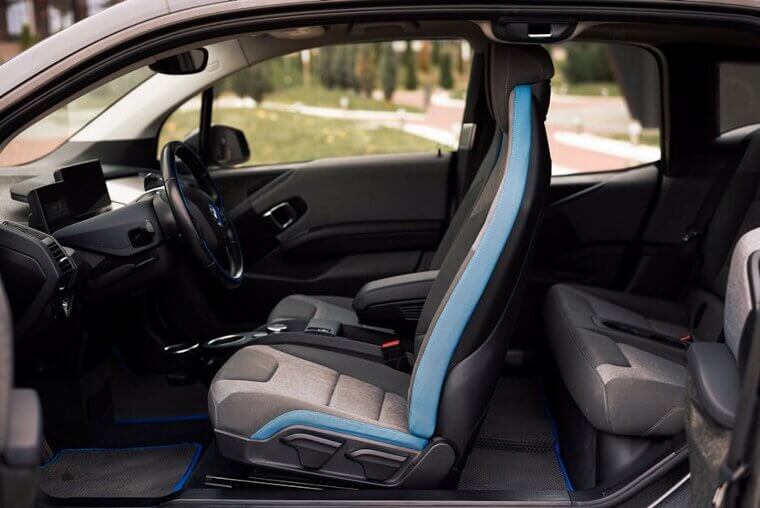
Heated seats are now so expected that car buyers rank them above sunroofs in satisfaction surveys. Somehow we went from 'luxury novelty' to 'dealbreaker' in about 40 years. The next invention made a nearly identical journey — and the holdouts look just as stubborn in hindsight.
Lane Departure Warning Cameras Scan Road Markings
Volvo quietly introduced lane departure warning on the 2003 S80, and the camera doing all the work sits behind your rearview mirror scanning white and yellow lines at roughly 30 frames per second. Miss a lane marking, and the wheel buzzes or the seat vibrates before you've even registered the drift. It sounds simple — it's genuinely the thing that's prevented thousands of microsleep accidents on empty highways at 2am.
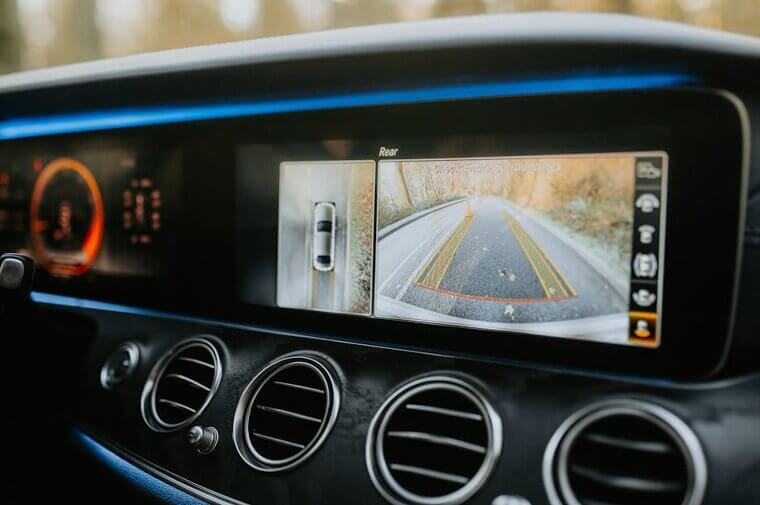
Your car is literally watching the road harder than you are at hour six of a road trip. The next invention figured out what to do once the lane departure already happened.
The Classic Hood Ornament as an Icon
Rolls-Royce's famous 'Flying Lady' nearly never happened — the company's early customers were bolting their own hood ornaments on anyway, some of them deeply embarrassing. So in 1911, Charles Sykes sculpted the iconic silver figure, modeled on Eleanor Velasco Thornton, and made it official. She's been on every Rolls since, surviving two World Wars, and today a replacement costs around $3,000 — just for the ornament.
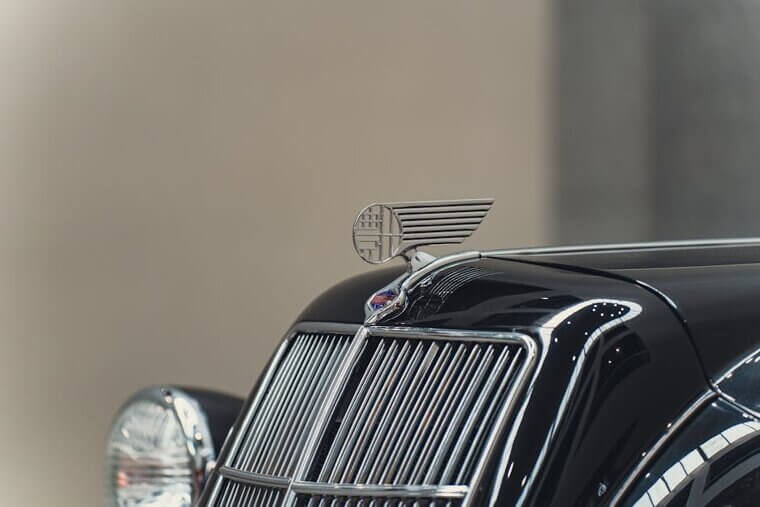
Jaguar's leaping cat, Mack's bulldog, Pontiac's Native American chief — hood ornaments were basically a brand's entire personality before logos took over. The next slide proves some brands still haven't recovered from losing theirs.
Padded Dashboards Improve Passenger Safety
Before 1968, your face and the dashboard had a very informal relationship — one sudden stop and you'd be introduced properly. Ford actually started padding dashboards voluntarily in the late 1950s, years before federal law required it. The Energy Absorbing Steering Column came along in 1967, but the padded dash was the quiet first step — soft material over rigid steel, absorbing the impact your skull no longer had to.
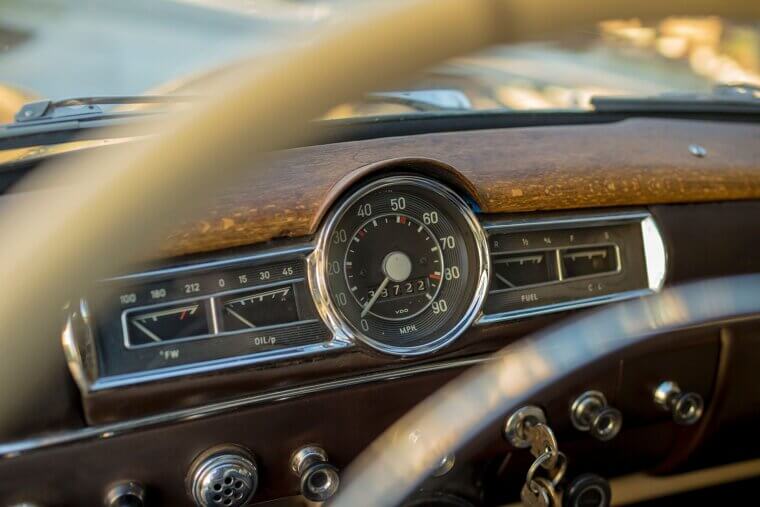
It looks like a design choice. It's actually the reason millions of people walked away from accidents that should've been much worse. Next up: the invention that made all of this data collectible.
The Invention of the Parking Brake
Parking brakes exist because early cars couldn't be trusted to just... stay. The 1899 Curved Dash Oldsmobile used a rudimentary ratchet lever, but it was Rolls-Royce's 1925 Silver Ghost that standardized the dedicated handbrake as a genuine safety system — not an afterthought. Engineers discovered that leaving a car in gear alone wasn't enough on San Francisco-style grades. One runaway vehicle changed the spec sheet forever.
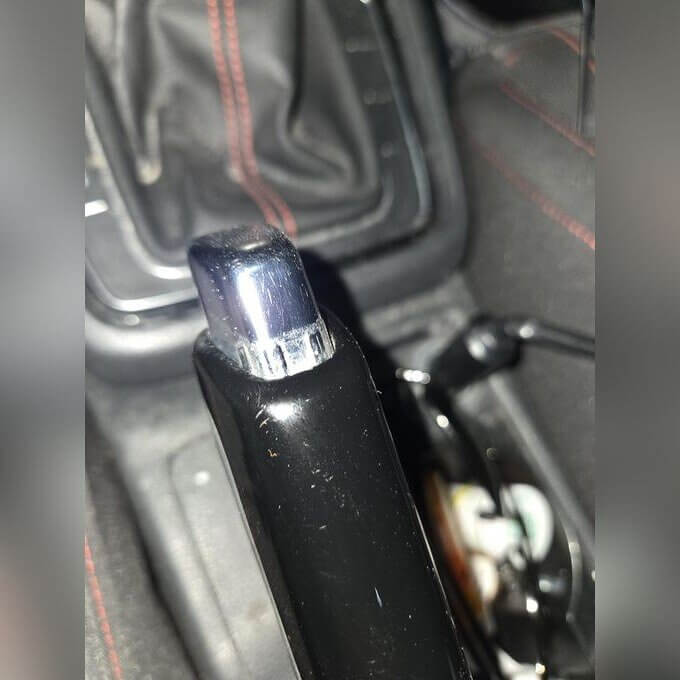
Your car's 'emergency brake' hasn't technically been an emergency tool since the 1970s. Most drivers today use it exactly never — until the day they desperately need it and have no idea where it is.
Bluetooth Connectivity in Modern Cars
Before 2004, connecting your phone to your car meant a tangled aux cord and a prayer. Then the 2004 Lexus LS430 became one of the first production cars to ship with factory Bluetooth — and suddenly you could take calls without pulling over. It sounds mundane now, but hands-free calling cut driver distraction fatally by an estimated 4x compared to holding a phone.
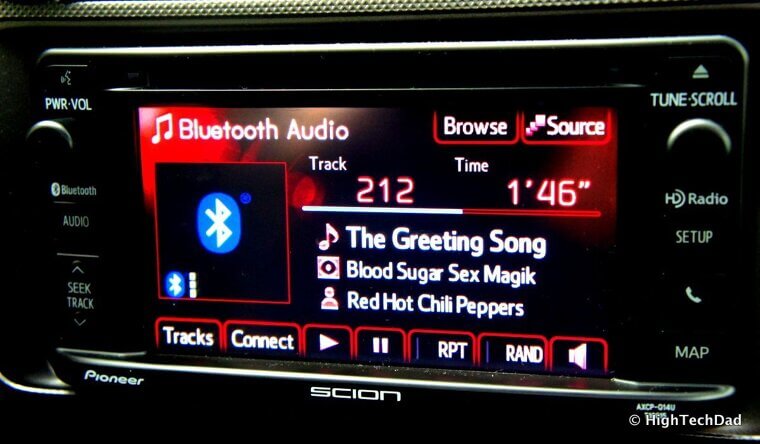
Your parents thought a cigarette lighter adapter was peak technology. Meanwhile, we're over here streaming podcasts through a car that was built before smartphones existed. Next up: the invention that made parking a spectator sport.
Intermittent Wipers for Light Drizzles
Robert Kearns invented the intermittent wiper in his basement in 1963, partly inspired by how a human eye blinks — not constantly, just when needed. Ford loved the idea so much they used it without paying him. Kearns sued, spent 12 years fighting in court, and eventually won $30 million from the auto industry. The wiper works great. The inventor's life became a movie.

The 2008 film 'Flash of Genius' tells his whole story — and honestly, it hits harder than you'd expect from a movie about windshield wipers. Next slide is equally wild.
Crumple Zones Absorb Impact in Crashes
Béla Barényi patented the crumple zone in 1952, and Mercedes-Benz built it into the 1959 W111 — a car they then drove straight into a concrete wall to prove it worked. The cabin stayed intact while the front end folded like an accordion. On purpose. Before this, cars were essentially rigid steel coffins that transferred every joule of crash energy directly into the passengers.
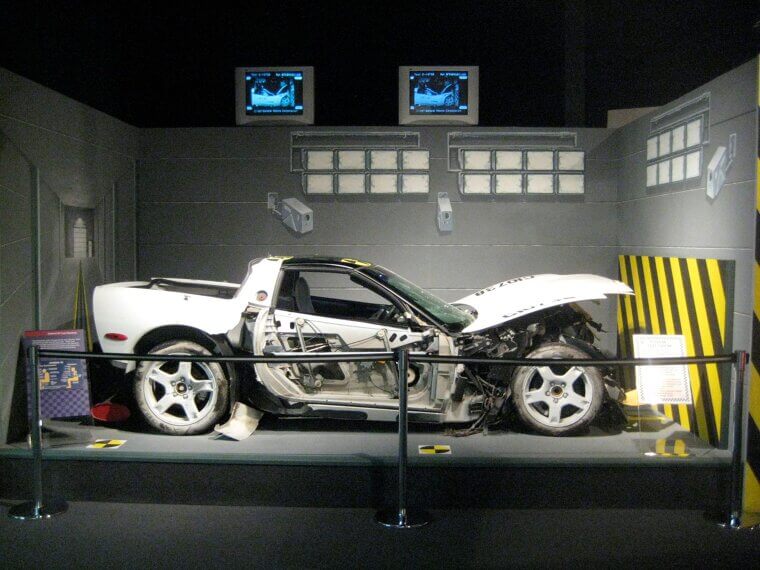
Your car is literally designed to destroy itself to save you. The engineers who figured that out probably saved more lives than most doctors. Next one rewired how we see at night.
The Invention of the Odometer
Before the odometer, buying a used horse was actually more reliable than buying a used carriage — at least the horse's age showed on its teeth. The first mechanical odometer traces back to Roman engineer Vitruvius around 27 BC, using a gear-and-pebble system to count wheel rotations. By 1847, Arthur Warner patented the modern version, and suddenly every road trip had a number attached to it.
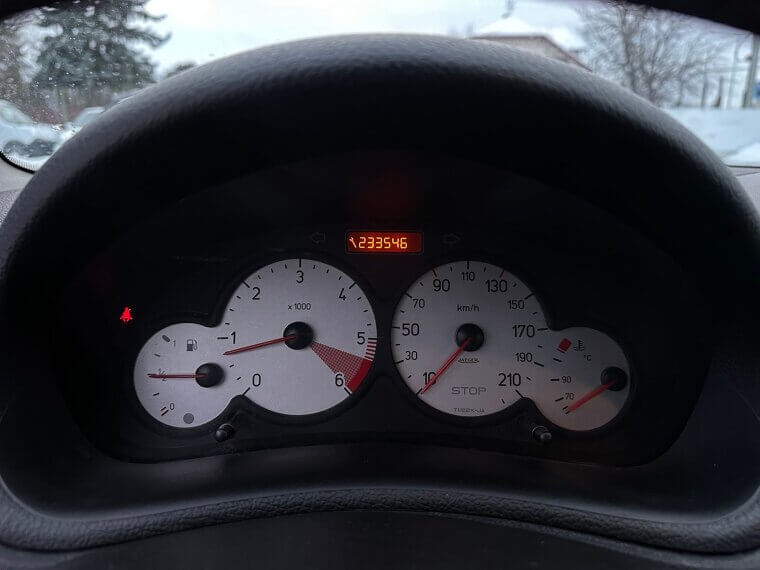
Odometer fraud still costs American car buyers an estimated $1 billion a year. Vitruvius built the thing two thousand years ago and we're still finding ways to cheat it.
Halogen Headlights Brighten Dark Roads
Before 1962, your headlights were basically glorified candles — sealed-beam units that dimmed with age and couldn't be replaced without swapping the whole assembly. Bosch and Osram changed that with the H1 halogen bulb, which ran hotter, burned brighter, and lasted longer by trapping evaporated tungsten back onto the filament instead of letting it blacken the glass. Night driving went from white-knuckling it to actually seeing the deer before you hit it.
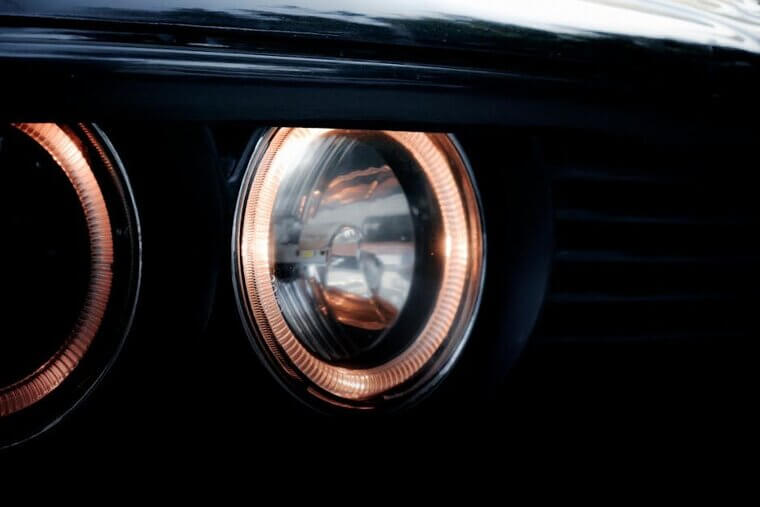
Halogens stayed the standard for nearly 40 years — an eternity in automotive time. But the technology that eventually dethroned them? It started in a completely different industry.
Adaptive Cruise Control Uses Radar Sensors
Radar was developed to track enemy aircraft in World War II. Decades later, it's what keeps you from rear-ending a minivan because you got distracted by a podcast. Adaptive cruise control — first offered on the 1999 Mitsubishi Diamante in Japan — uses millimeter-wave radar to measure the gap between you and the car ahead, then automatically brakes or accelerates to maintain it.
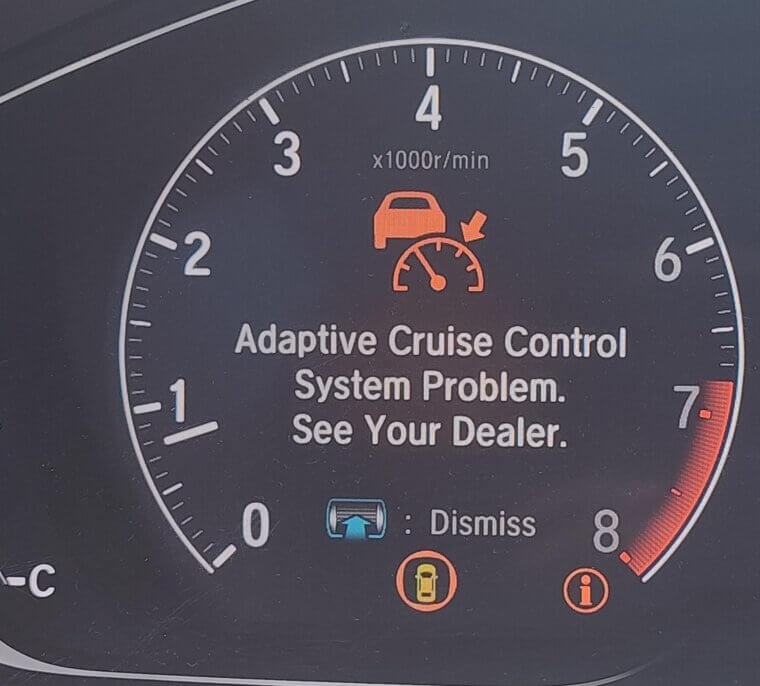
Your grandparents' cruise control just held a speed and hoped for the best. This one actually pays attention — which, honestly, is more than can be said for some drivers. Slide 37 might surprise you.
Tire Pressure Monitoring Prevents Blowouts
A Ford Explorer rollover crisis in 2000 — 271 deaths linked to underinflated Firestone tires — is what finally forced the U.S. government's hand. By 2008, every new car sold in America legally required a Tire Pressure Monitoring System. Your dashboard warning light exists because of one of the most expensive product liability settlements in automotive history.
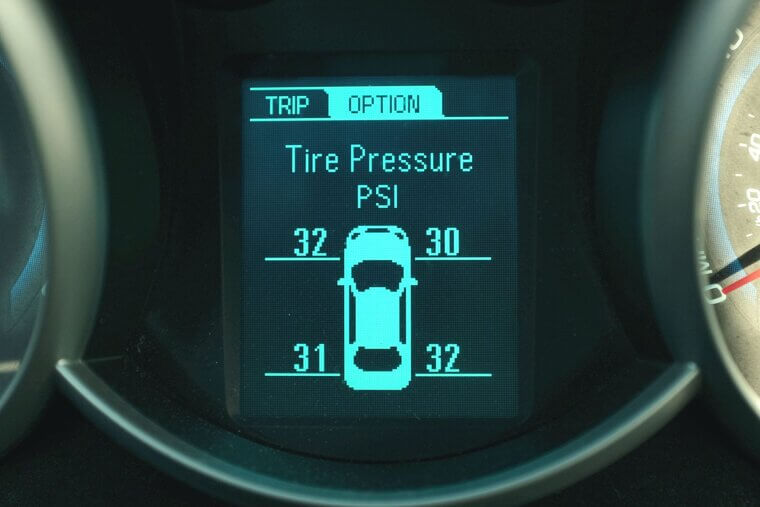
Most people ignore that little horseshoe light for weeks. Those same people are also getting 15% worse fuel economy and quietly destroying a $200 tire. Slide 38 is a invention you use every single day without realizing it.
The Electric Starter Replaces the Hand Crank
Before 1912, starting your car meant grabbing a hand crank and hoping it didn't snap back and break your wrist — which it regularly did. Charles Kettering's electric starter, debuted on the 1912 Cadillac Model 30, ended that roulette game overnight. It also quietly ended the argument that women couldn't drive, since the crank's brute strength requirement had been the go-to excuse for keeping them out of the seat.

One small motor killed a genuinely dangerous ritual AND a convenient social myth simultaneously. Kettering probably didn't plan the feminist angle, but here we are. Two slides left — the finale is a big one.
Child Safety Locks Protect Young Passengers
A toddler in the backseat of a 1954 Buick opened the door on the highway — and that was the last time anyone needed convincing. Child safety locks, those small lever mechanisms built into rear door frames, became standard equipment across most American cars by the early 1960s. One flick renders the interior handle useless. Simple, nearly weightless, costs pennies to manufacture. Somehow took decades to become universal.
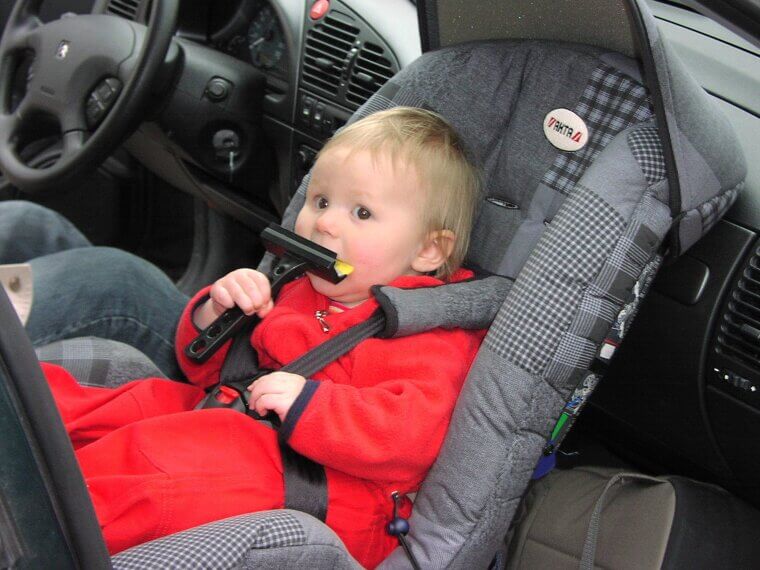
The whole mechanism weighs less than a AA battery. Forty years of engineering breakthroughs in this article, and the one that saves the most kids is basically a bent piece of metal. Slide 40 is the big one.
Hybrid Technology Blends Gas and Electric Power
Toyota nearly killed the Prius before it launched. Engineers couldn't get the battery to survive a Japanese winter, and the 1997 deadline was weeks away. They cracked it — barely — and the world's first mass-market hybrid debuted at 66 mpg combined. Twenty-seven years later, hybrid powertrains are in everything from Ferraris to F-150s, and that desperate deadline sprint quietly rewired what we expect from a car.
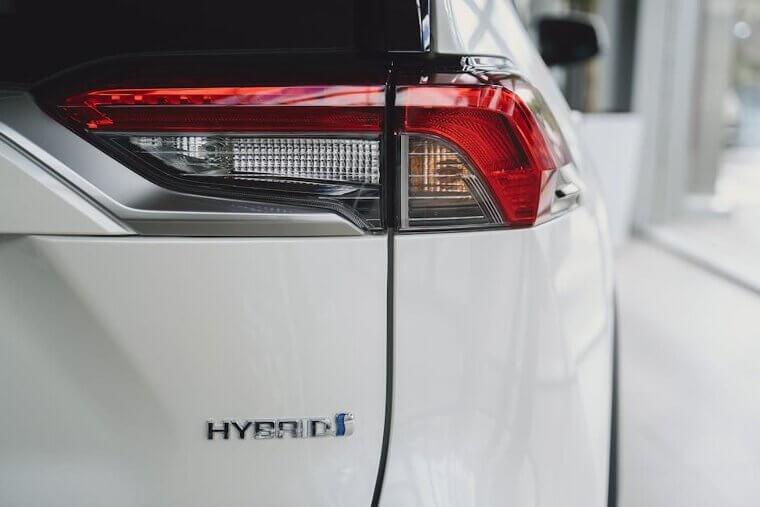
Forty slides in and the throughline is obvious: every invention on this list started with someone refusing to accept a limitation. The Prius team just happened to do it in a snowstorm.