
Buying a new ride is thrilling, but the true cost goes far beyond the sticker price. Hidden fees and surprise maintenance can quickly derail your monthly budget. Read on to discover the sneaky expenses most buyers completely overlook until it's too late!
Premium Fuel Requirements
When shopping for a sleek new ride, it is remarkably easy to overlook the recommended fuel type listed inside the gas cap. Many modern vehicles, especially turbocharged or luxury models, explicitly require premium unleaded gasoline to function efficiently. Choosing lower-grade fuel might save money at the pump initially, but it reportedly leads to engine knocking and costly internal damage over time. This ongoing expense quietly adds up to hundreds of extra dollars every single year, completely altering your monthly commuting budget.
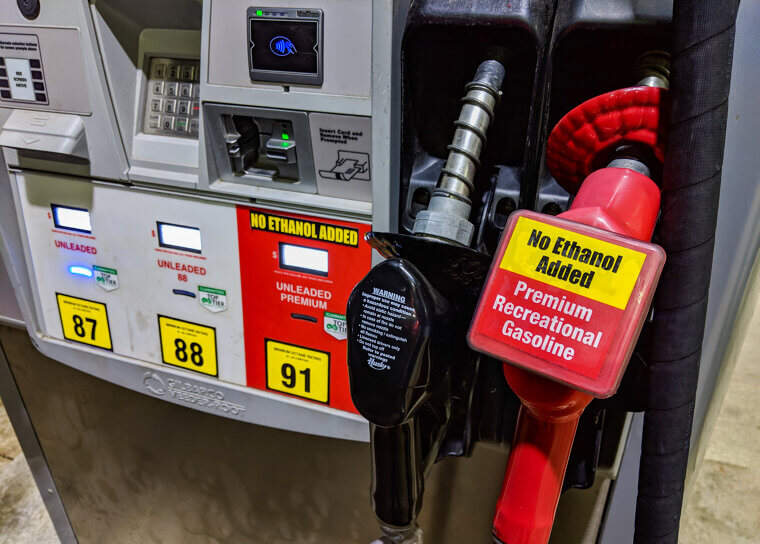
It is vital to check the owner’s manual before signing any paperwork so you are not shocked during your very first gas station visit.
Dealership Documentation Fees
The excitement of negotiating a vehicle's final sale price often masks the sneaky paperwork charges waiting for you in the finance office. Dealership documentation fees, or "doc fees," allegedly cover the administrative costs of processing your title, registration, and sales contract. While some states legally cap these fees at a reasonable amount, other regions allow dealerships to charge upwards of several hundred dollars extra. Buyers frequently forget to factor this mandatory expense into their total budget.
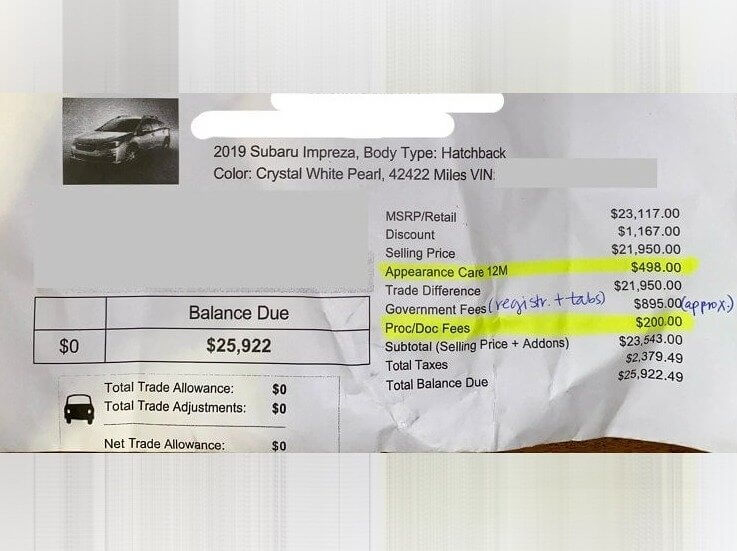
That leads to an unwelcome surprise right when they are ready to sign the final contract. Always ask for an itemized out-of-the-door price breakdown early on to protect your wallet.
Specialized Smart Key Fob Replacement
Modern vehicles offer incredible convenience with push-button starts and keyless entry systems. However, misplacing or damaging one of these high-tech smart key fobs is incredibly expensive. Unlike traditional metal keys that cost a few dollars to duplicate at a local hardware store, modern fobs contain sophisticated computer chips. Replacing a single smart key requires purchasing proprietary hardware and paying a dealership to program it specifically to your vehicle's computer.

This unexpected mishap can easily cost you several hundred dollars per key, a frustrating reality that most drivers never anticipate until they are locked out and completely stranded without a backup device handy.
High-Performance Tire Replacement
Sporty sedans and large modern SUVs often come equipped with beautiful, oversized wheels that look fantastic on the showroom floor. Unfortunately, those larger wheels require specialized, high-performance, or low-profile tires that wear down much faster than standard rubber. When it comes time to replace them, drivers are frequently stunned by the massive price tag per tire. Additionally, all-wheel-drive vehicles often require you to replace all four tires simultaneously to prevent drivetrain damage, even if only one is flat.
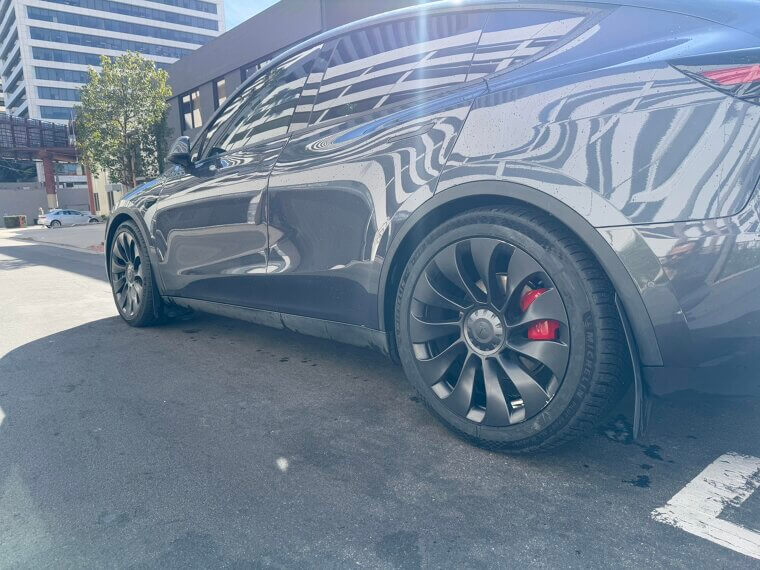
This turns a simple maintenance task into a massive, multi-hundred-dollar financial burden you absolutely cannot ignore during your long-term car ownership journey.
Advanced Driver Assistance System Calibration
Newer vehicles are packed with safety features like lane-keep assist, automatic braking, and adaptive cruise control. These systems rely heavily on delicate cameras and radar sensors hidden inside the windshield and bumpers. If you ever need a simple windshield replacement or experience a minor fender bender, these sensors must be precisely recalibrated by a professional technician. This highly specialized calibration process requires unique tools and software, which dramatically inflates the cost of otherwise standard repairs.
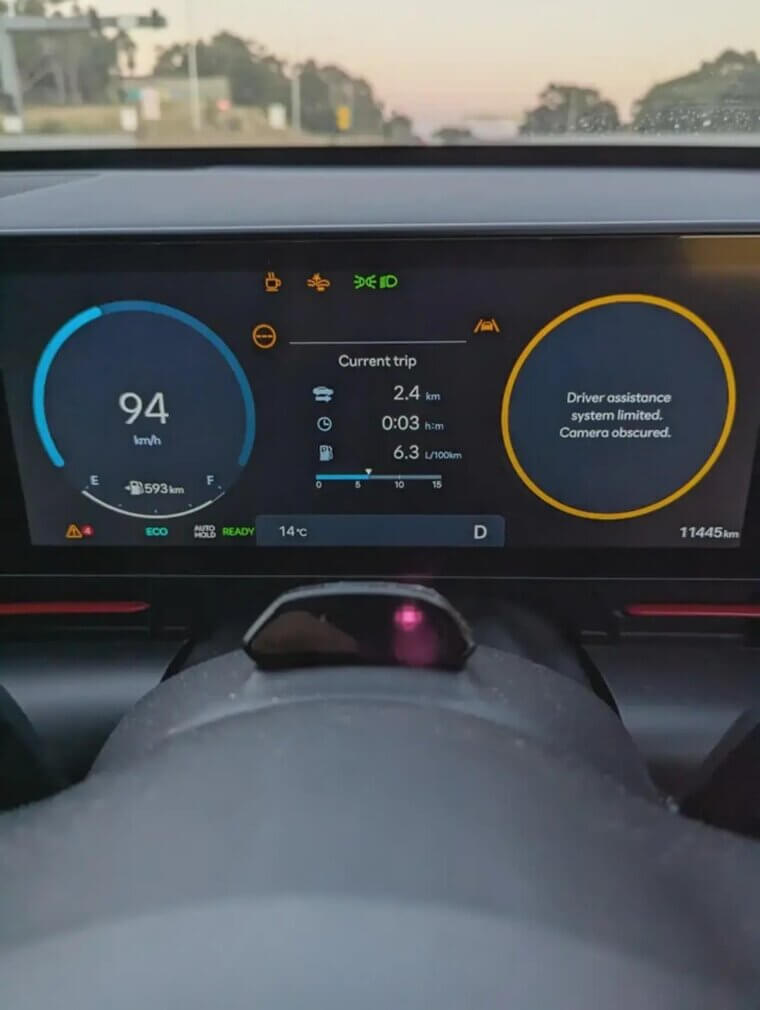
Many car owners fail to realize that a basic windshield swap can quickly double in price due to these mandatory technology updates and professional service adjustments.
Mandatory Paint and Fabric Protection
During the final stages of purchasing a vehicle, finance managers often pitch add-on packages like specialized exterior paint sealants and interior fabric protection. While these treatments promise to keep your vehicle looking brand new against spills and harsh weather elements, they usually come with an incredibly inflated price tag. Many buyers feel pressured into accepting these packages, believing they are essential for maintaining the vehicle's long-term resale value.
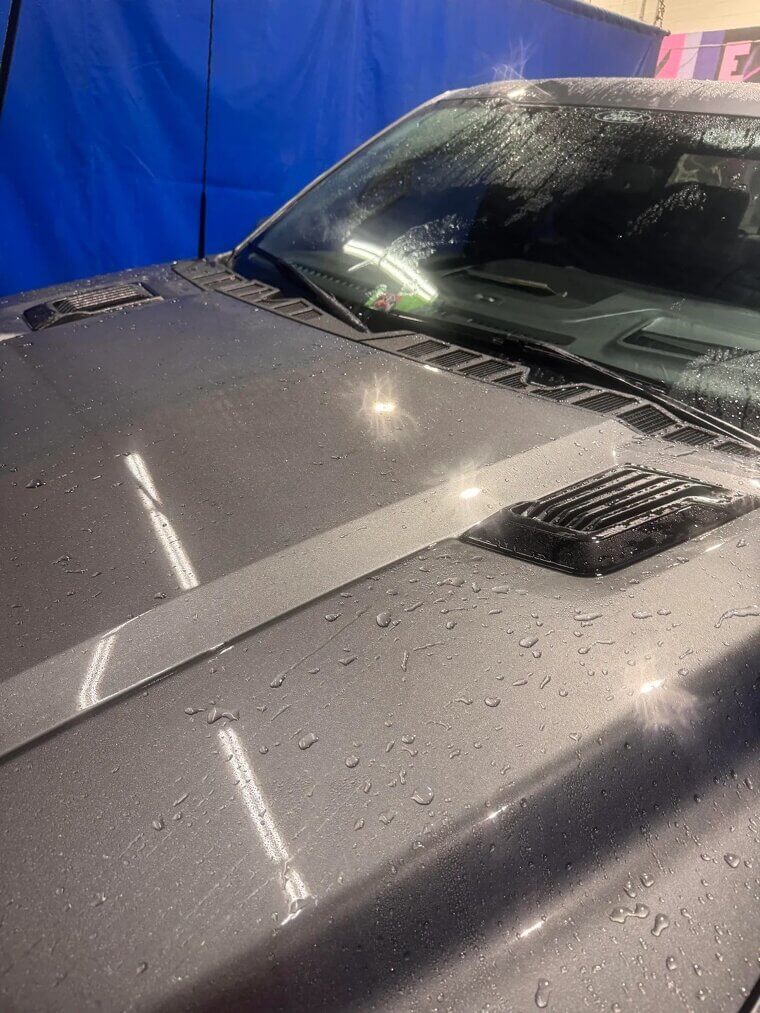
In reality, these services can often be completed for a fraction of the cost elsewhere, making them a costly and unexpected addition to your initial automotive financing package without any real added value.
Hybrid Battery Pack Replacement
Choosing a hybrid vehicle is an excellent way to save money on fuel and reduce your environmental footprint over time. However, buyers often overlook the eventual expiration date of the specialized high-voltage hybrid battery pack. While these batteries are designed to last for many years and come with generous manufacturer warranties, they will eventually degrade and require replacement. Buying a brand-new hybrid battery pack can cost thousands of dollars, easily wiping out years of gasoline savings in a single moment.
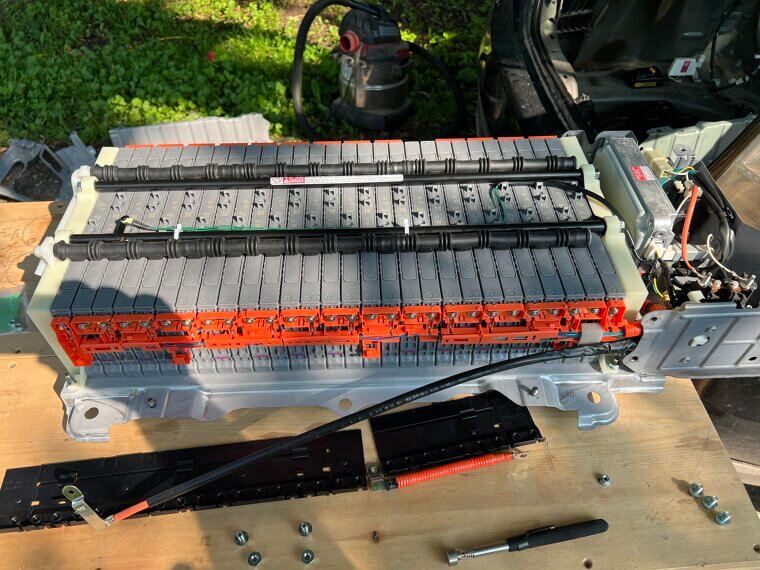
It is an essential long-term expense that used hybrid buyers must carefully consider before purchasing any pre-owned hybrid car model.
Timing Belt and Water Pump
Many vehicle engines rely on a rubber timing belt to keep internal components moving in perfect harmony. This critical belt naturally wears down over time and must be replaced at specific mileage intervals, usually around one hundred thousand miles. Because accessing the timing belt requires mechanics to dismantle a large portion of the engine, labor costs are notoriously high. To save money later, technicians almost always recommend replacing the water pump at the exact same time.
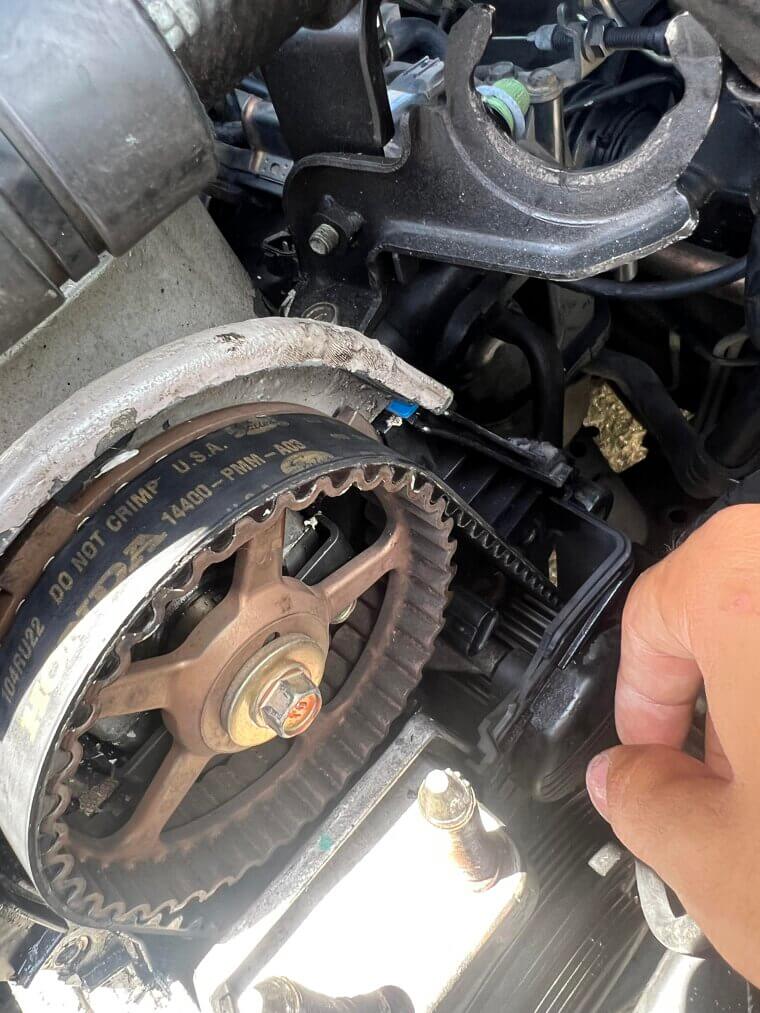
This dual maintenance procedure is an expensive necessity that catches many high-mileage vehicle owners completely off guard financially when they least expect an expensive auto shop bill.
Annual Vehicle Personal Property Taxes
Depending entirely on where you live, owning a vehicle can trigger a hefty annual personal property tax bill from your local government. Unlike standard registration fees, this specific tax is typically calculated based on the current assessed value of your vehicle. If you purchase a brand-new or late-model luxury car, your annual tax bill could easily amount to hundreds or even thousands of dollars each year. Many buyers completely forget to investigate their local tax rates before buying.
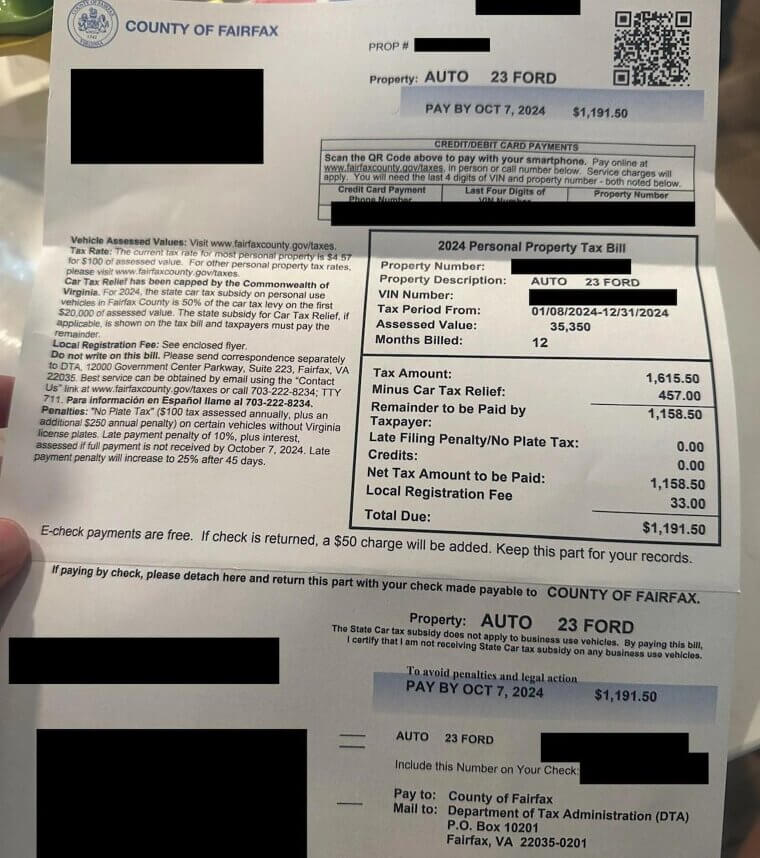
This leads to a shocking invoice in the mail that severely disrupts their annual household budget planning and personal savings goals for that year.
Infotainment System Software Update Subscriptions
Modern dashboards are essentially large computers on wheels, complete with navigation maps, wireless connectivity, and streaming entertainment systems. While these features are often free to use during the initial vehicle lease or warranty period, manufacturers are increasingly turning to subscription-based business models. Once the trial expires, drivers are forced to pay monthly or annual fees just to keep their built-in navigation maps accurate and their software running smoothly.
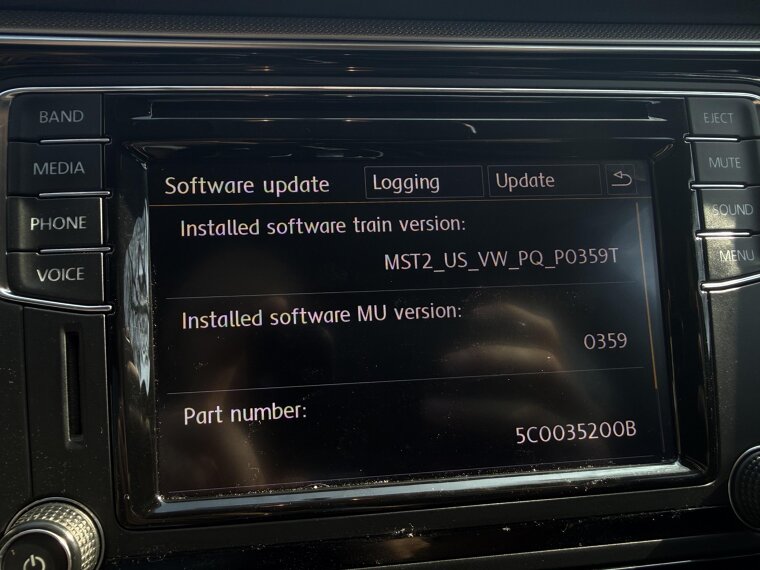
Failing to pay these unexpected subscription fees can render expensive dashboard features completely obsolete, frustrating drivers who assumed these premium amenities were permanently included with the car's original purchase price.
Out-of-Warranty Diagnostic Fees
When a mysterious warning light illuminates your dashboard after your vehicle's factory warranty has expired, the financial pain begins immediately. Before a mechanic even turns a wrench to fix the underlying issue, dealerships charge a flat diagnostic fee just to plug in their computer scanner. This initial fee covers the technician's time to identify the problem and can easily cost over one hundred dollars. Drivers often assume this fee will be waived if they agree to have the repairs done at that location.
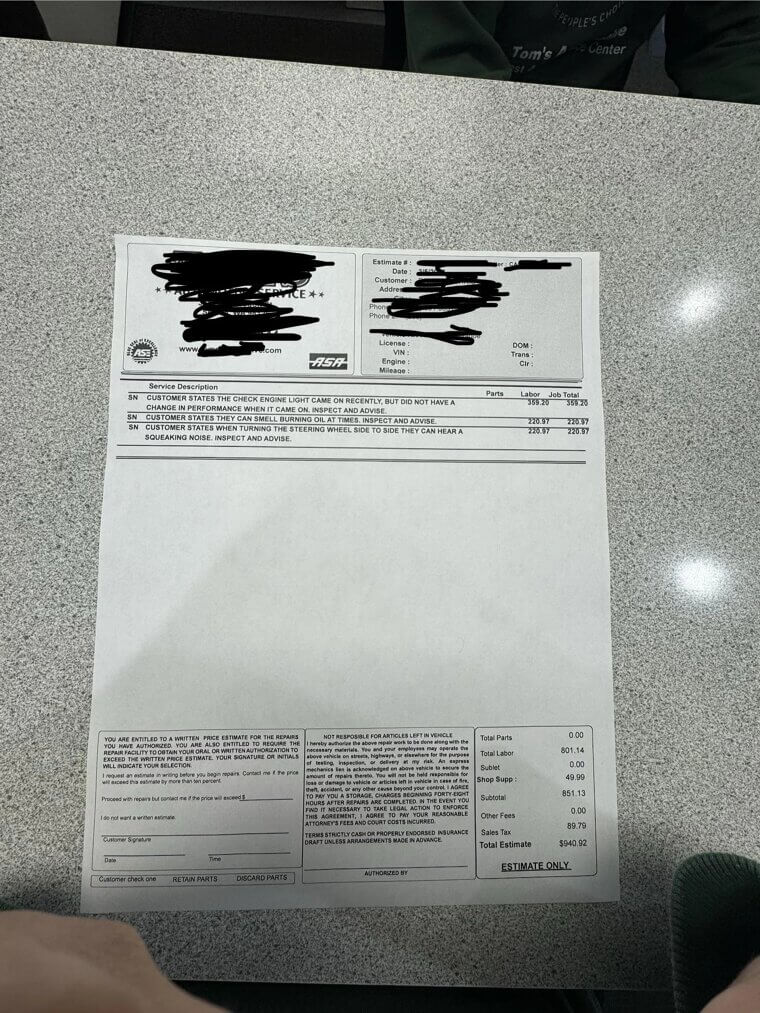
But many shops charge it as a completely separate, non-negotiable line item that increases your final repair bill significantly.
Toll Transponder and Monthly Account Fees
Commuting through busy metropolitan areas often requires utilizing toll roads, express lanes, and bridges to avoid agonizing traffic jams. To make this process seamless, most drivers install automatic electronic toll transponders inside their front windshields. While the physical transponder itself is usually inexpensive, maintaining the linked account involves hidden administrative costs. Many toll authorities require a minimum prepaid balance that automatically replenishes from your bank account when funds run low.
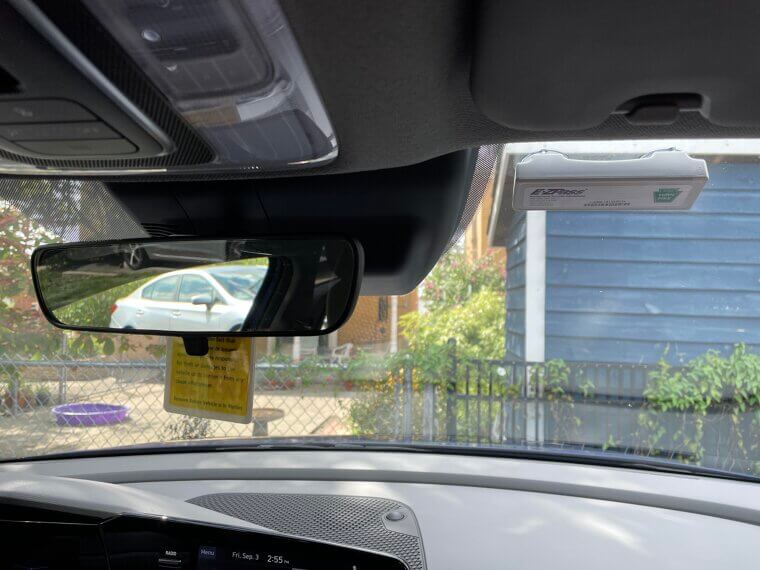
Over the course of a year, these automatic deductions can silently drain hundreds of dollars from your budget without you ever consciously realizing it or planning for the extra travel cost.
Annual Vehicle Registration Fee Escalation
Registering your vehicle with the state department of motor vehicles is a mandatory annual ritual for every single car owner. What surprises many buyers, however, is that registration fees are often calculated based on the vehicle's weight, age, or original sticker price. Buying a heavy electric vehicle or a premium luxury SUV can result in an annual registration fee that is significantly higher than what you paid for your previous compact car.
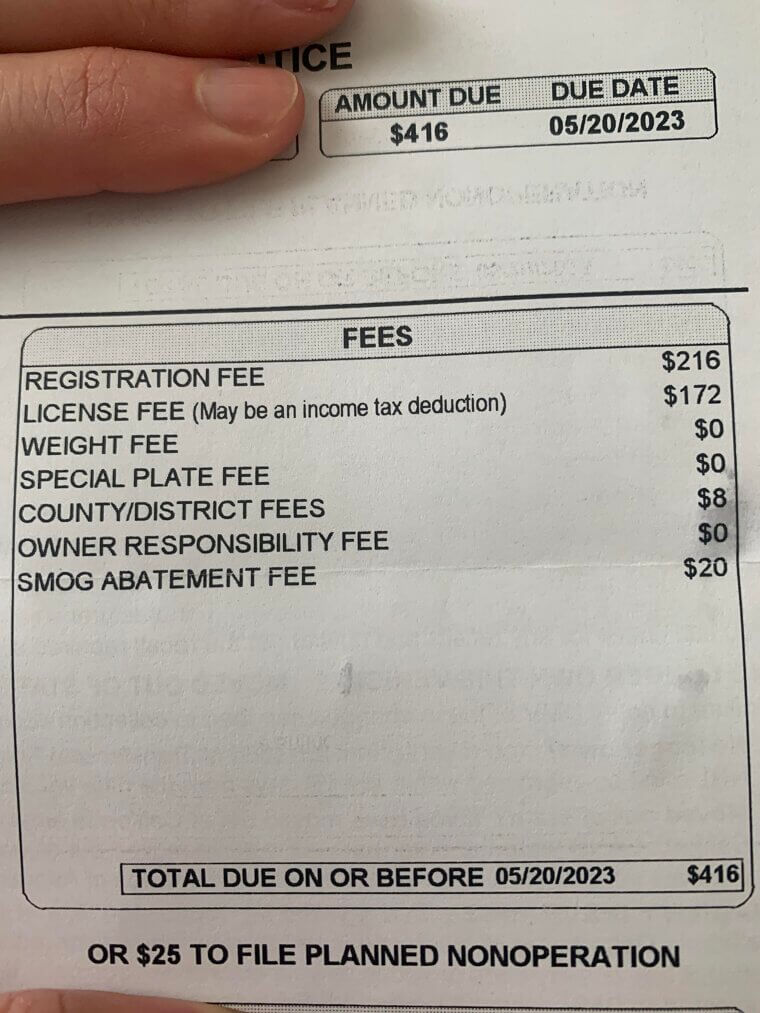
This recurring yearly expense must be paid in full to legally drive, making it a frustratingly high cost that buyers routinely forget to research thoroughly before making a purchase.
Specialized Synthetic Engine Oil Changes
Regular oil changes are the cornerstone of proper engine maintenance, but the type of oil your vehicle requires matters immensely. A vast majority of modern vehicles now require full synthetic engine oil rather than cheaper conventional oil to protect internal components. Synthetic oil changes last longer but cost significantly more at the service center, often double the price of a standard oil service. When you multiply this increased cost across multiple service visits per year, it adds up to a substantial amount of money.
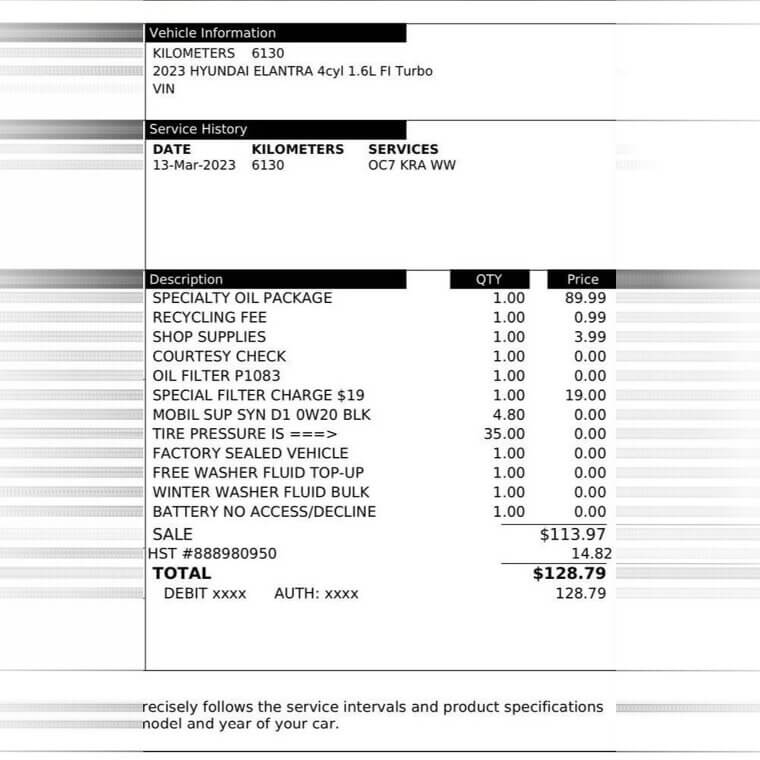
Forgetting to budget for premium oil can lead to unwanted financial surprises during routine car maintenance visits.
Wheel Alignment and Balancing Services
Hitting a pothole or hitting a curb even slightly can easily throw your vehicle's delicate wheel alignment completely out of specifications. Driving a vehicle with improper alignment causes your tires to wear down unevenly and forces your engine to work harder, reducing overall fuel economy. To prevent this, mechanics recommend regular wheel alignment and tire balancing services every year or two. This subtle maintenance cost is rarely on a buyer's radar during the initial excitement of purchasing a car.
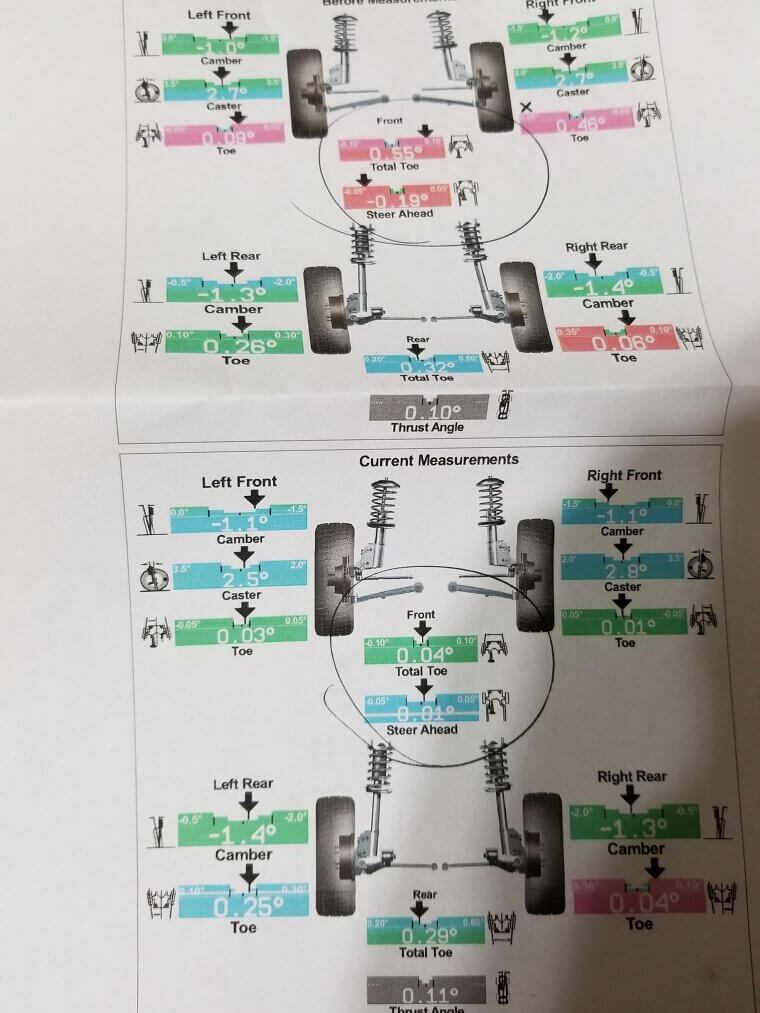
Yet it remains completely necessary to preserve the lifespan of your expensive tires and ensure safe, predictable highway handling over time.
Periodic Cabin Air Filter Replacement
Most drivers are aware of the engine air filter, but many completely overlook the cabin air filter hidden behind the dashboard. This small filter is responsible for cleaning the air you breathe inside, trapping dust, pollen, and outside pollutants. Over time, it becomes clogged with debris, reducing the efficiency of your heating and air conditioning system and causing unpleasant odors. Dealerships and mechanics often charge high prices to replace this filter due to its awkward location.
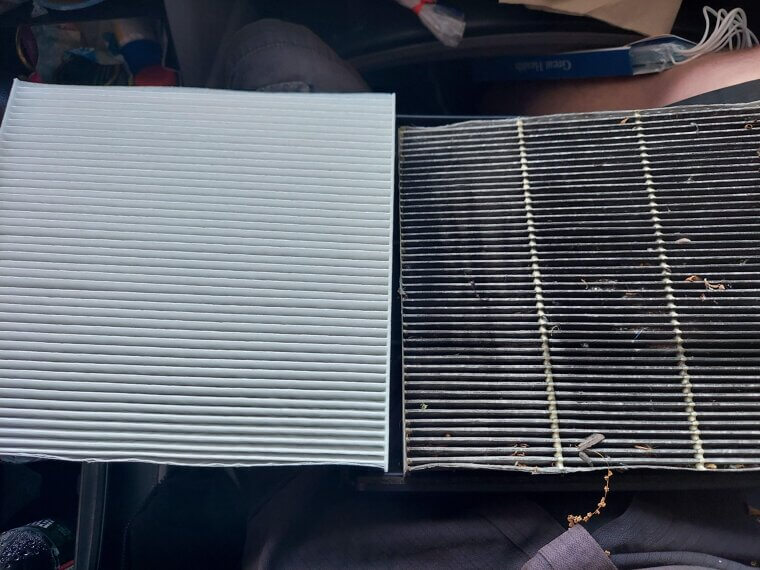
It is a minor yet recurring maintenance expense that catches many vehicle owners entirely by surprise during standard car service appointments.
Brake Pad and Rotor Upkeep
Stopping safely is obviously the most critical function of any vehicle, which makes regular brake maintenance absolutely non-negotiable. Over time, brake pads naturally wear thin from friction and must be replaced to prevent metal-on-metal grinding. What many drivers fail to realize is that modern brake rotors are often designed to be replaced alongside the pads, rather than resurfaced. This dual replacement drastically increases the total cost of a standard brake service job.
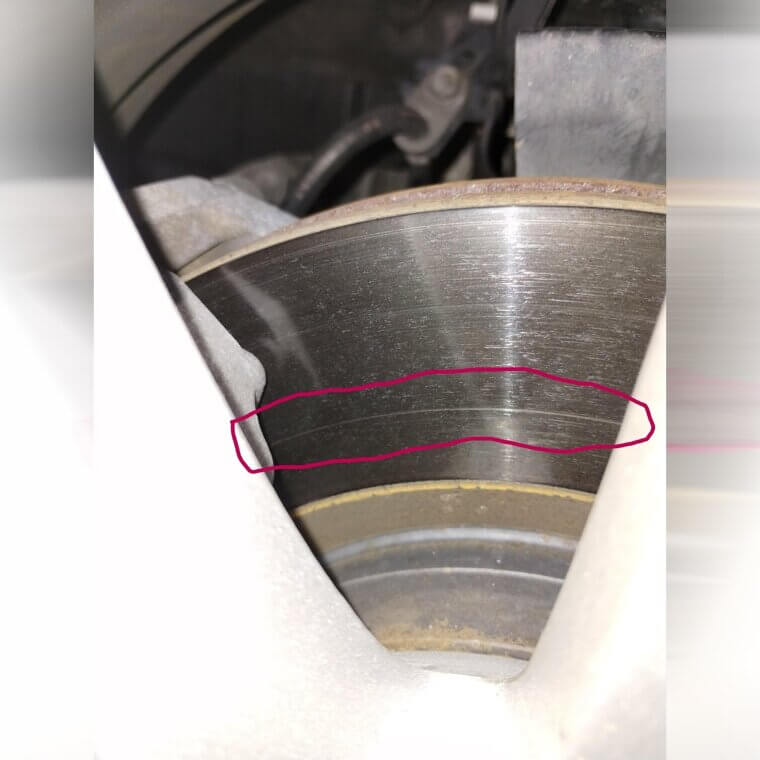
Neglecting this essential maintenance can lead to unsafe driving conditions and much larger, more expensive repairs to the vehicle's entire braking infrastructure down the road.
AdBlue Fluid for Clean Diesel Engines
If you choose to purchase a modern diesel-powered vehicle, you will encounter an extra fluid requirement known as AdBlue or Diesel Exhaust Fluid. This specialized urea-based liquid is injected into the exhaust system to significantly reduce harmful emissions before they leave the tailpipe. Your vehicle will monitor this fluid level constantly and will actually refuse to start if the tank runs completely dry. Purchasing and regularly refilling this fluid adds an extra layer of recurring maintenance costs.
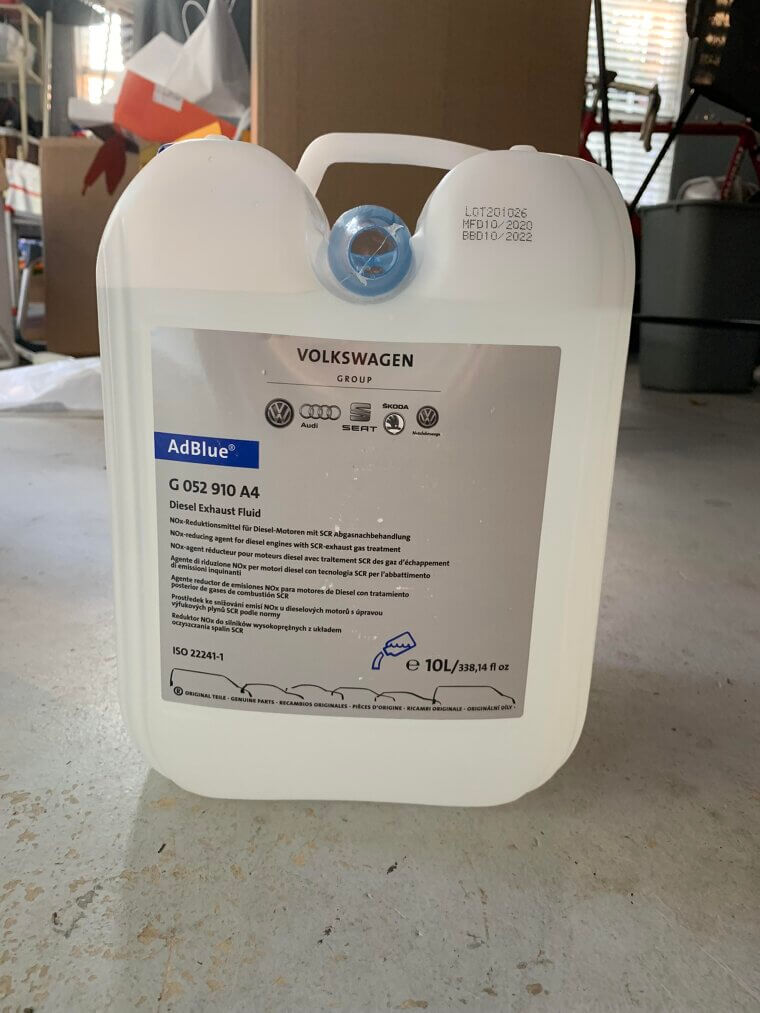
Not to mention all the added effort that traditional gasoline car owners never have to worry about or budget for during their long vehicle ownership journey.
Unexpected Post-Warranty Roadside Assistance Plans
New vehicles typically come with complimentary roadside assistance plans that provide peace of mind during flat tires, dead batteries, or towing emergencies. However, these convenient manufacturer programs eventually expire alongside the vehicle's factory warranty. Once that milestone passes, drivers are entirely responsible for finding and funding their own emergency roadside services. Purchasing an independent auto club membership or paying out-of-pocket for an emergency tow truck can be incredibly expensive.
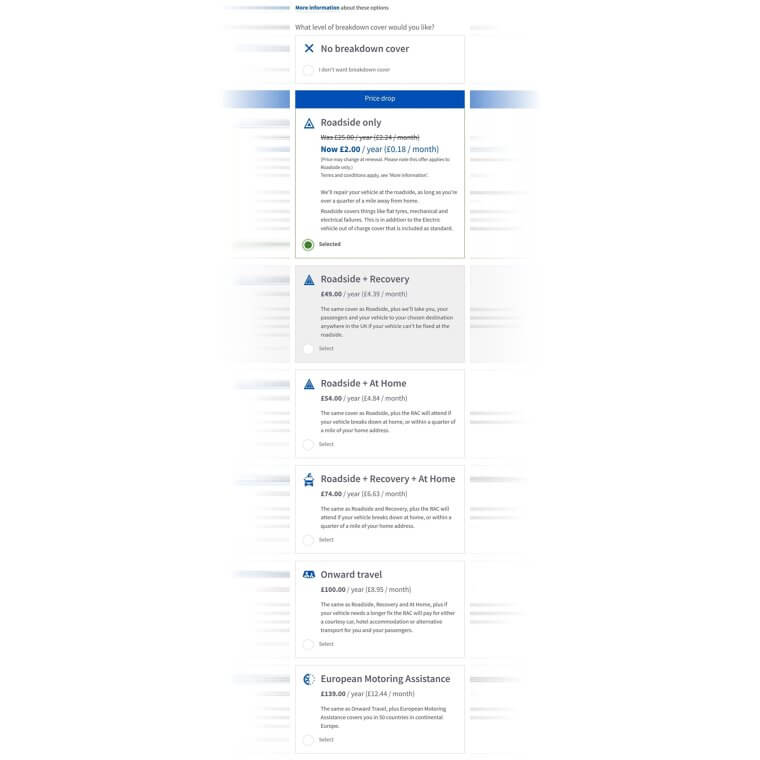
This safety net expense is something many drivers completely forget to arrange until they find themselves stranded helplessly on the shoulder of a very busy highway.
Dealership Advertising and Destination Charges
When browsing vehicle inventory online, the attractive price you see prominently displayed is rarely the actual amount you will pay. Manufacturers routinely add a mandatory destination charge to cover the physical cost of transporting the vehicle from the factory to the dealership lot. Furthermore, some dealerships tack on localized advertising fees to recoup the regional marketing costs they incurred to sell that specific model. These non-negotiable fees are often tucked away in the fine print of the window sticker.
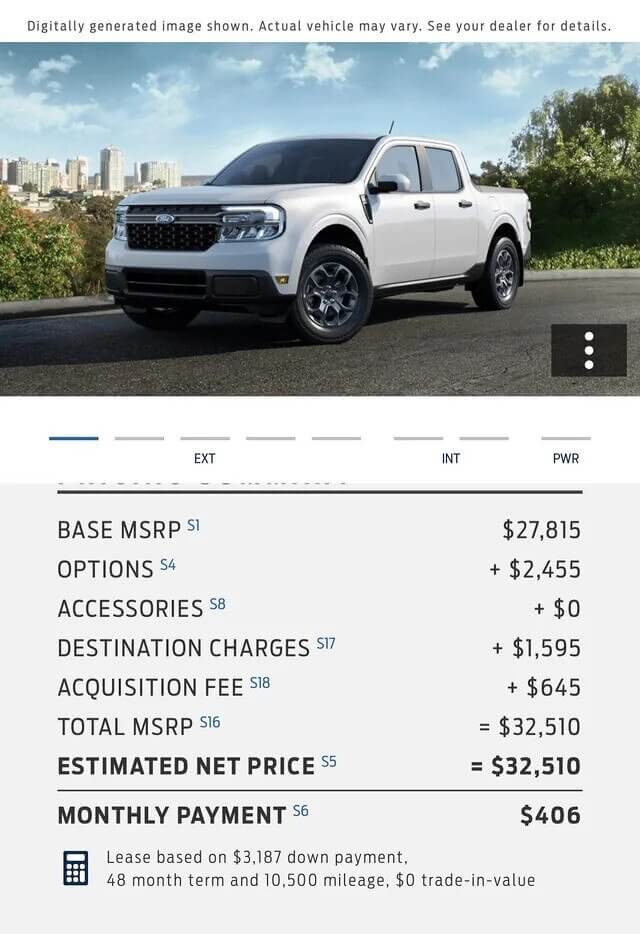
They add over a thousand dollars to the final purchase price of your new vehicle unexpectedly and without clear warning upfront.
Local Parking Permits and Garage Fees
The financial commitment of owning a vehicle does not stop once you drive it home; you also have to store it safely. If you live in an urban neighborhood, a condominium complex, or a busy downtown area, parking can be incredibly expensive. Many municipalities require residents to purchase annual street parking permits, while private apartment garages charge steep monthly rent for a dedicated parking space. These recurring residential parking expenses can easily accumulate.
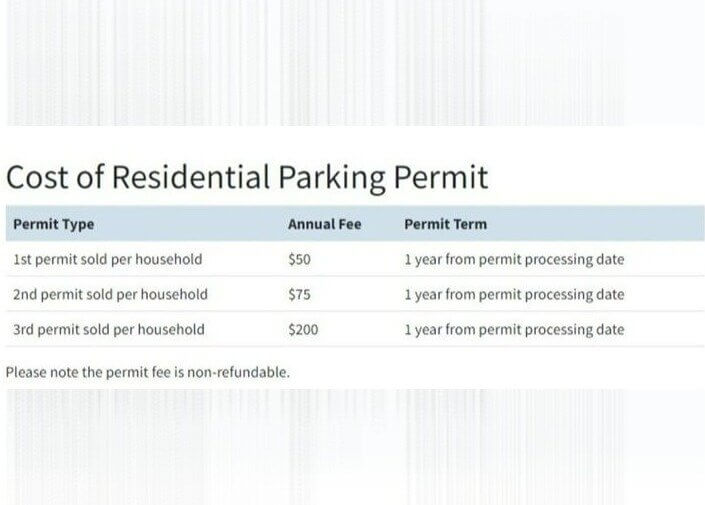
We're talking thousands of dollars annually, yet buyers frequently forget to calculate these storage costs when budgeting for their beautiful new ride and associated monthly utility expenses.
Spark Plug and Ignition Tuning
As a vehicle accumulates miles, the spark plugs responsible for igniting the fuel inside the engine cylinders slowly degrade. Worn-out spark plugs cause engine misfires, rough idling, and a noticeable drop in overall fuel efficiency. Replacing spark plugs is a standard part of a vehicle's major mileage tune-up, but the cost can vary wildly depending on the engine's design. Some modern V6 or V8 engines position the spark plugs in hard-to-reach locations, requiring mechanics to remove complex intake manifolds.
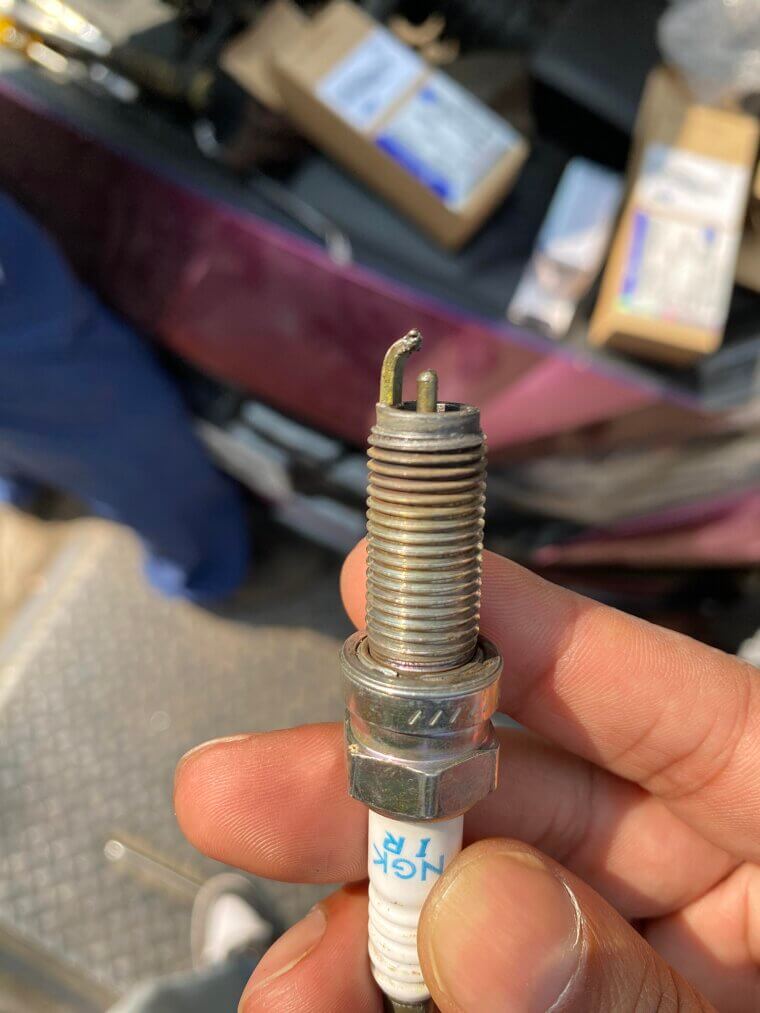
This turns a simple part replacement into a labor-intensive, highly expensive maintenance service item for unsuspecting car owners.
Rodent Damage Repair and Prevention
One of the most bizarre and expensive automotive hazards involves small woodland creatures like mice, squirrels, and rats. Many modern vehicle manufacturers use environmentally friendly, soy-based insulation to wrap the complex electrical wiring harnesses inside the engine bay. Unfortunately, rodents find this soy material delicious and will frequently chew through critical wires to build nests during cold winter months. Repairing a chewed wiring harness is a highly tedious process that can cost thousands of dollars in specialized labor.
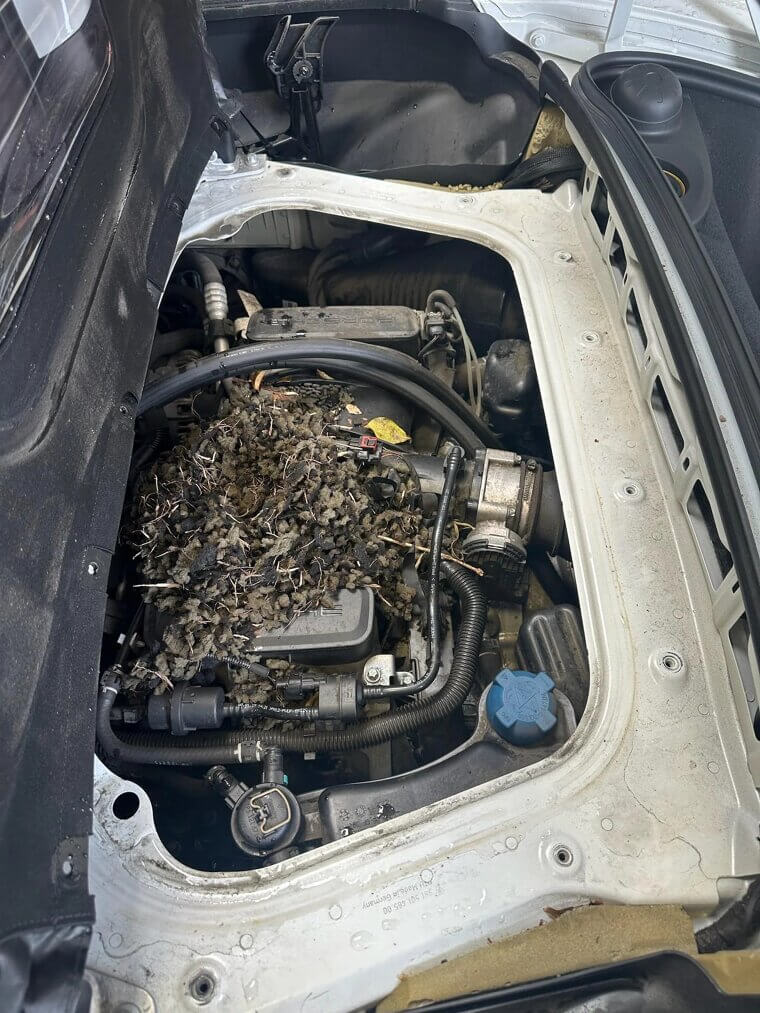
Most comprehensive insurance policies cover this, but you will still owe a hefty deductible out-of-pocket for unexpected repairs.
Turbocharger Maintenance and Repair Costs
To improve fuel economy without sacrificing acceleration, many auto manufacturers now equip smaller engines with powerful turbochargers. While turbochargers provide an exciting driving experience, they operate under extreme heat and intense rotational pressure. This demanding operating environment requires strict adherence to frequent oil changes and high-quality filters to prevent premature component failure. If a turbocharger eventually wears out or breaks outside of the factory warranty period, replacing it is exceptionally expensive.
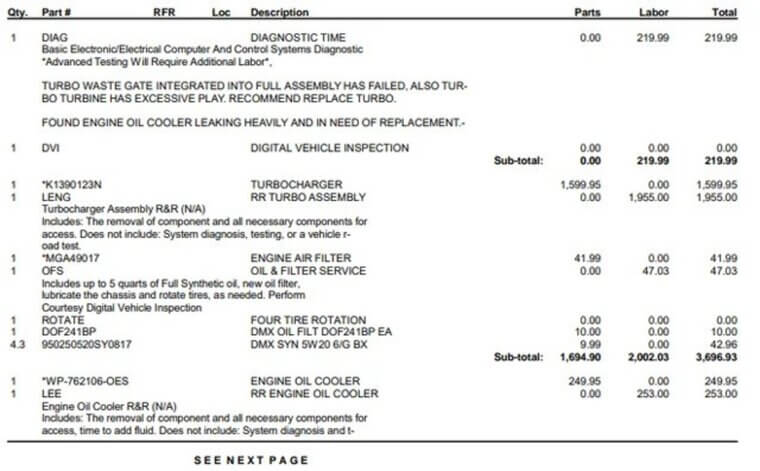
Buyers often choose these engines for efficiency without realizing the potential long-term financial risks associated with complex and delicate turbocharger repair bills down the road.
Air Suspension System Component Maintenance
Luxury vehicles often feature sophisticated air suspension systems instead of traditional steel springs to provide a cloud-like, ultra-smooth ride. These advanced systems utilize electric air compressors, rubber airbags, and complex sensors to constantly adjust the vehicle's ride height. Over time, the rubber components naturally dry rot and develop tiny leaks, forcing the compressor to run continuously until it burns out completely. Replacing failed air suspension components is notoriously expensive, often costing thousands of dollars per wheel at the dealership.
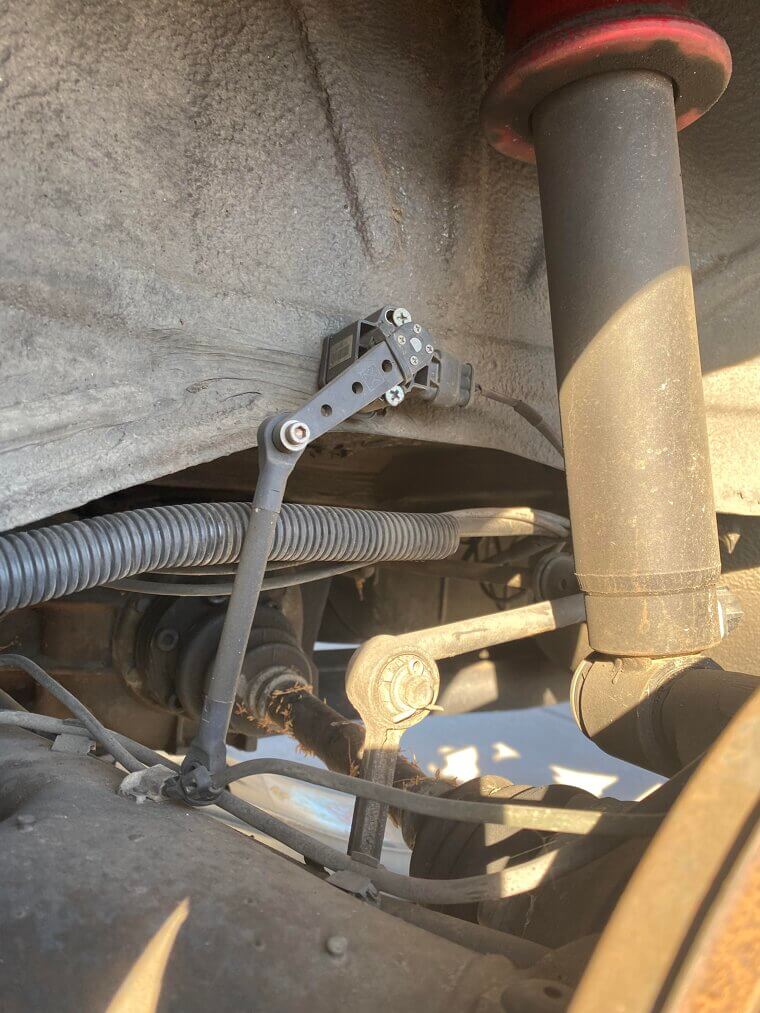
Many second-hand luxury buyers are forced to retire their vehicles early due to these astronomical and unexpected mechanical repair bills.
Loss of Fuel Efficiency Over Time
When calculating your monthly fuel budget, it is easy to rely entirely on the official EPA mileage ratings printed on the vehicle's window sticker. However, as a vehicle ages and accumulates miles, internal engine components naturally experience wear and carbon buildup. This gradual aging process slowly degrades the vehicle's overall fuel efficiency, meaning you will get fewer miles per gallon over time. Forgetting to account for this slow decline means your monthly fuel costs will steadily rise as the vehicle grows older.
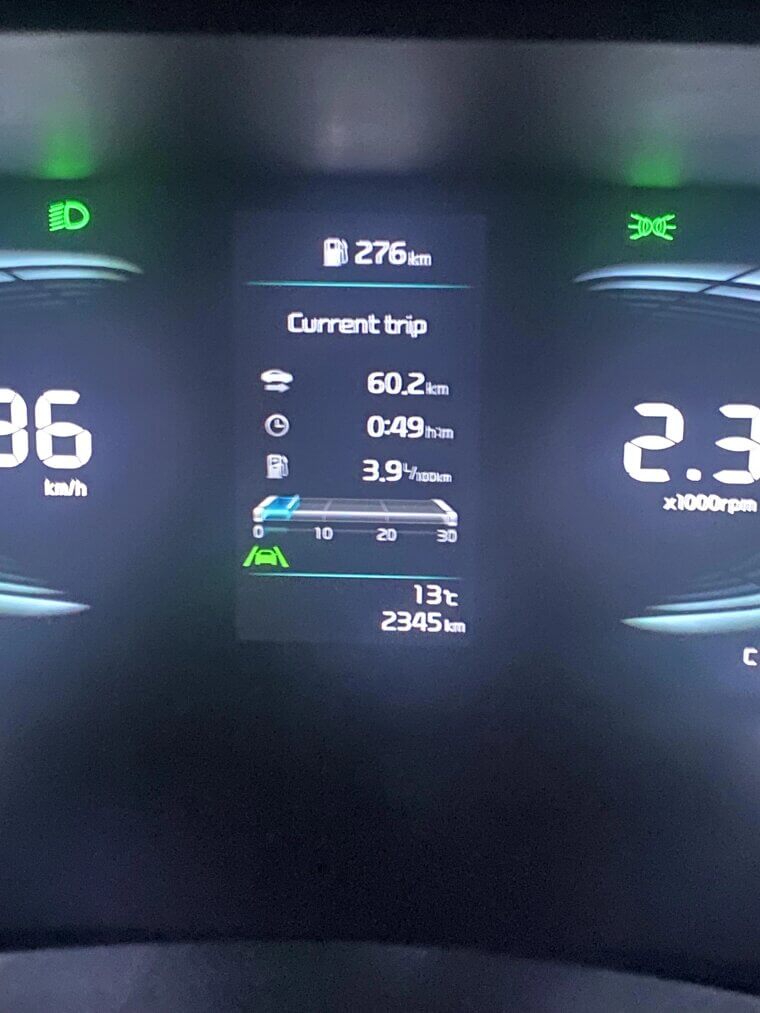
This fact quietly drains extra money from your wallet that you never originally planned for or budgeted during the purchase.
Transmission Fluid Flushes and Service
The transmission is one of the most complex and vital components of any vehicle, responsible for transferring power from the engine to the wheels. To keep gears shifting smoothly and prevent overheating, the transmission fluid must be clean and free of metal debris. Many manufacturers recommend a complete transmission fluid flush at specific mileage intervals, which is vastly different from a simple engine oil change. This service requires specialized equipment and expensive proprietary fluids.
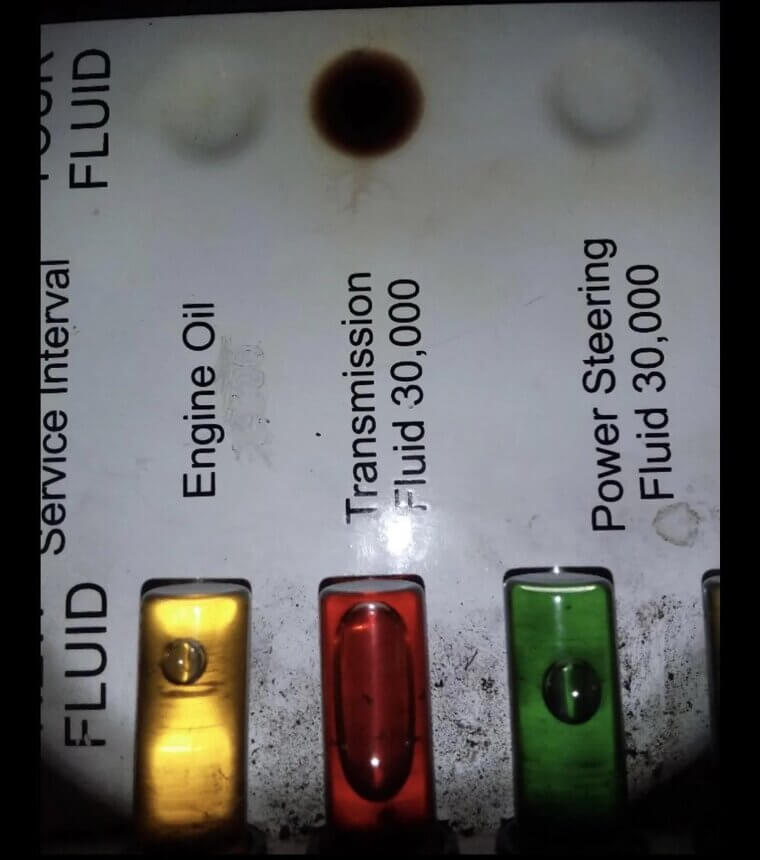
And that makes it a costly maintenance item. Ignoring this service can lead to catastrophic transmission failure, resulting in an astronomical and completely devastating replacement bill later on.
Depreciated Value After a Minor Accident
Even if your auto insurance policy covers the full cost of repairs after a minor fender bender, your vehicle suffers hidden financial damage. Once an accident is reported to vehicle history databases like Carfax, your car permanently loses a significant amount of resale value. This financial loss is known as diminished value, representing the reality that buyers prefer vehicles with completely clean histories. When you eventually try to trade in or sell your car, you will face the additional cost of the accident.
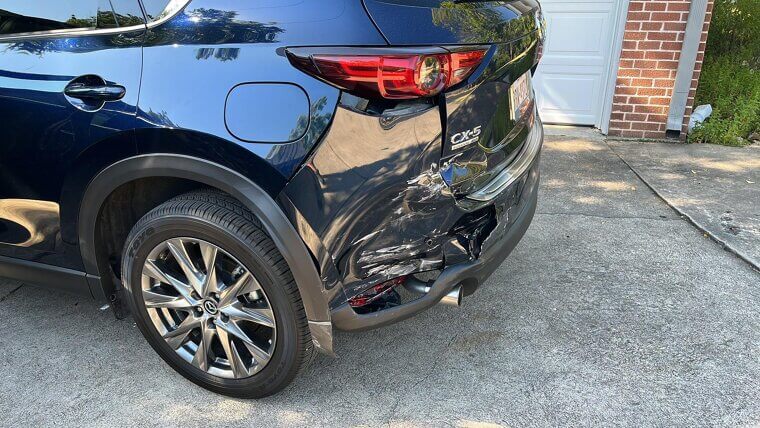
You will receive significantly less money than an identical vehicle that was never involved in a collision, a painful hidden cost realized far too late in ownership.
Auto Loan Interest Accumulation Costs
When financing a vehicle purchase, buyers often focus entirely on securing a monthly payment that fits comfortably within their current budget. However, stretching a car loan out over six, seven, or even eight years dramatically increases the total amount of interest you pay over the life of the loan. This long-term financing strategy means you will spend thousands of extra dollars purely on interest charges without building any actual equity in the asset.
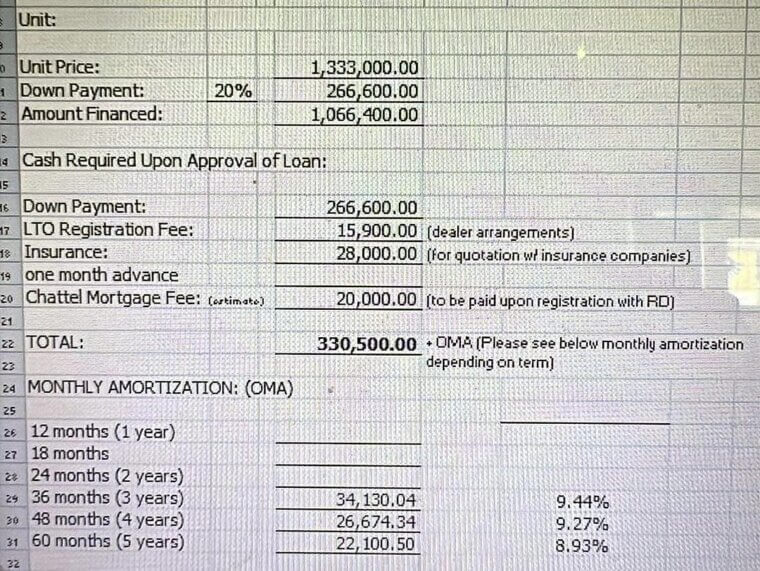
Many buyers fail to look at the total finance charge listed on their contract, realizing too late how much extra the vehicle truly cost them overall during ownership.
Specialized EV Charging Station Installation
Transitioning to a fully electric vehicle eliminates the need for routine oil changes and gas station visits completely. However, relying solely on a standard household electrical outlet to charge your new electric vehicle takes an incredibly long time. To achieve practical charging speeds at home, most owners must install a dedicated Level 2 charging station in their garage. This upgrade requires purchasing an expensive charging unit and hiring a certified electrician to upgrade your home’s electrical panel and wiring.
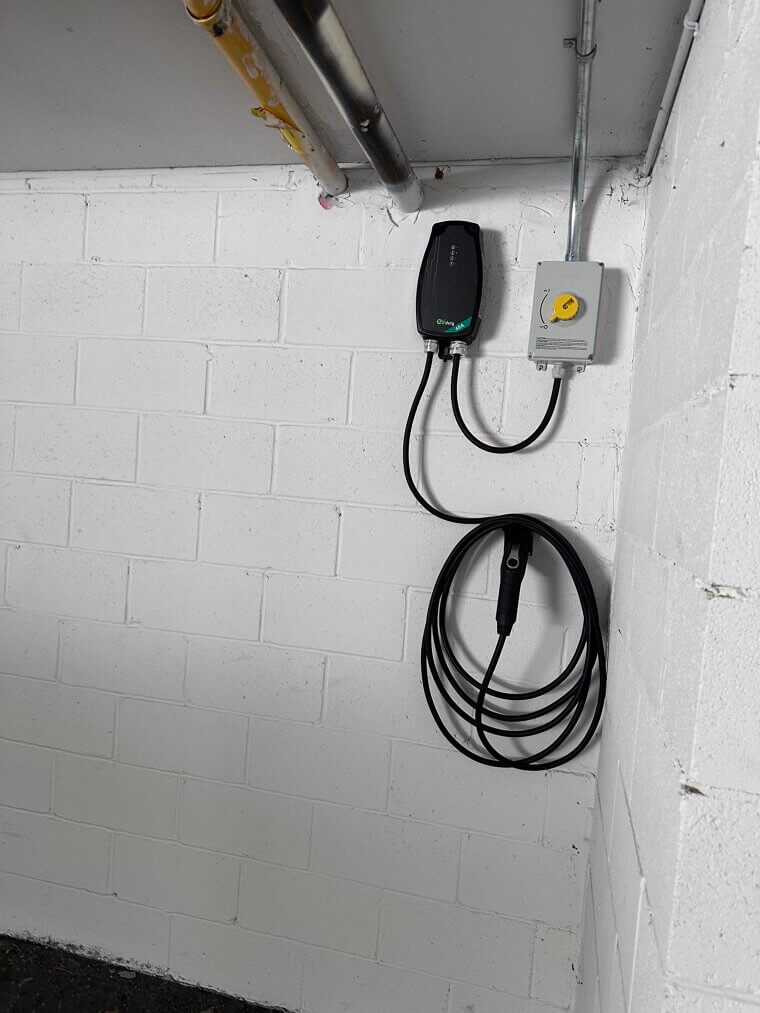
This upfront installation cost is a significant residential expense that many first-time electric vehicle buyers fail to anticipate or budget for initially during purchase.
Comprehensive Insurance Premium Spikes
Upgrading to a newer vehicle with advanced safety features should theoretically lower your auto insurance rates, but the reality is often quite different. Modern vehicles are incredibly expensive for insurance companies to repair due to the costly technology, sensors, and cameras embedded everywhere. Consequently, comprehensive and collision insurance premiums have risen significantly across the industry. Many buyers are completely shocked when they receive their first insurance premium bill after purchasing a new car.
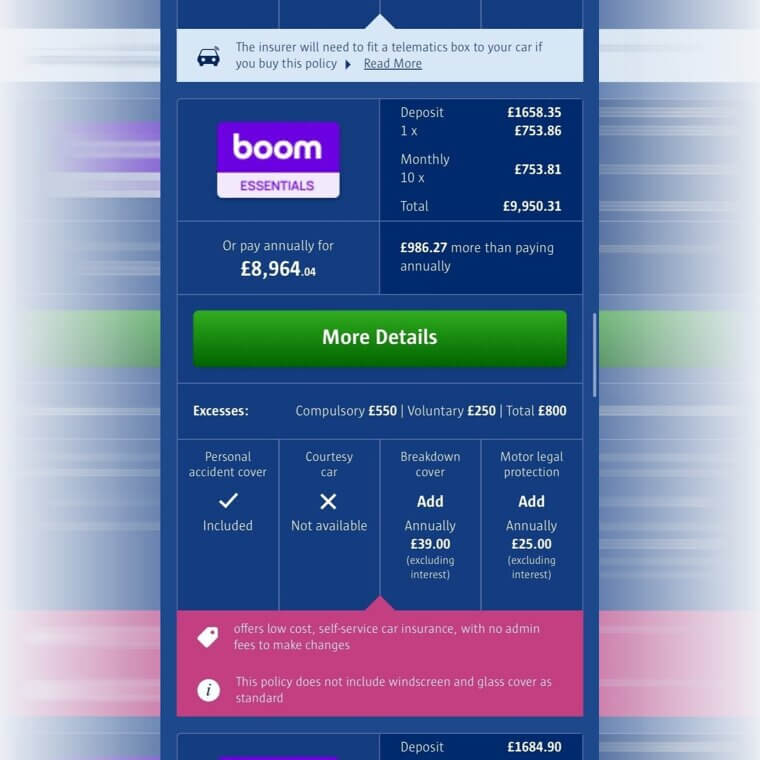
It is always wise to call your insurance agent for a quote before committing to a specific vehicle purchase to avoid this recurring monthly expense shock later.
Windshield Wiper Fluid and Blade Refills
Maintaining clear visibility through your front and rear windshields is absolutely paramount for safe driving, especially during heavy rain or winter snowstorms. Windshield wiper blades are made of delicate rubber that constantly degrades from exposure to harsh sunlight, freezing temperatures, and road debris. Replacing these blades every six to twelve months is a necessary task that many drivers neglect until a storm hits. Additionally, purchasing high-quality windshield washer fluid with de-icing properties adds a small but recurring cost over time.
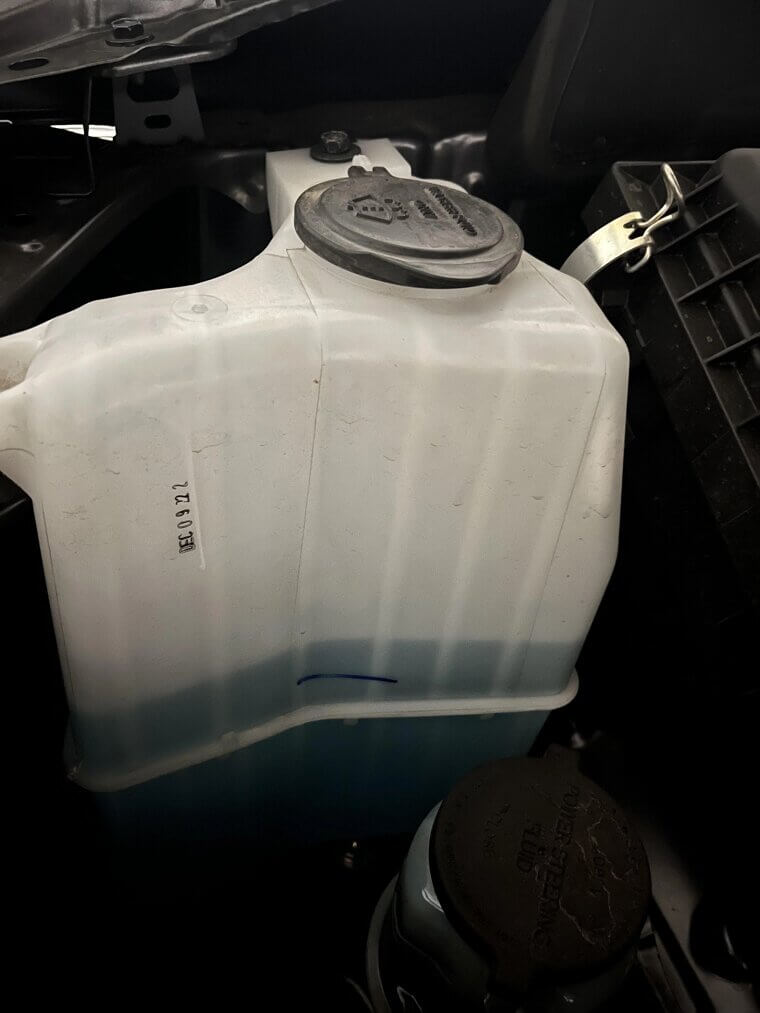
While individual blades are inexpensive, these minor maintenance items continuously add up to a noticeable sum over several years.
Out-of-Pocket Insurance Deductibles
No driver ever plans on getting into an automobile accident, but mishaps happen on the road every single day. If your vehicle is damaged in a collision or by severe weather, your comprehensive or collision insurance policy will help cover the repairs. However, you must pay your agreed-upon out-of-pocket deductible before the insurance company pays a single penny. If you chose a high deductible to lower your monthly premium, a sudden accident can force you to pay hundreds or thousands of dollars unexpectedly.

This emergency expense catches many cash-strapped drivers completely unprepared when an unfortunate road disaster suddenly strikes them.
Car Wash and Detailing Upkeep
Keeping your vehicle clean is not just about vanity; it is an essential part of protecting your vehicle's exterior from long-term damage. Road salt, bird droppings, tree sap, and acid rain can quickly eat through a vehicle's clear coat paint, leading to unsightly rust and permanent corrosion. Regularly visiting a professional car wash or investing in quality detailing supplies is necessary to preserve the body's integrity and long-term resale value.
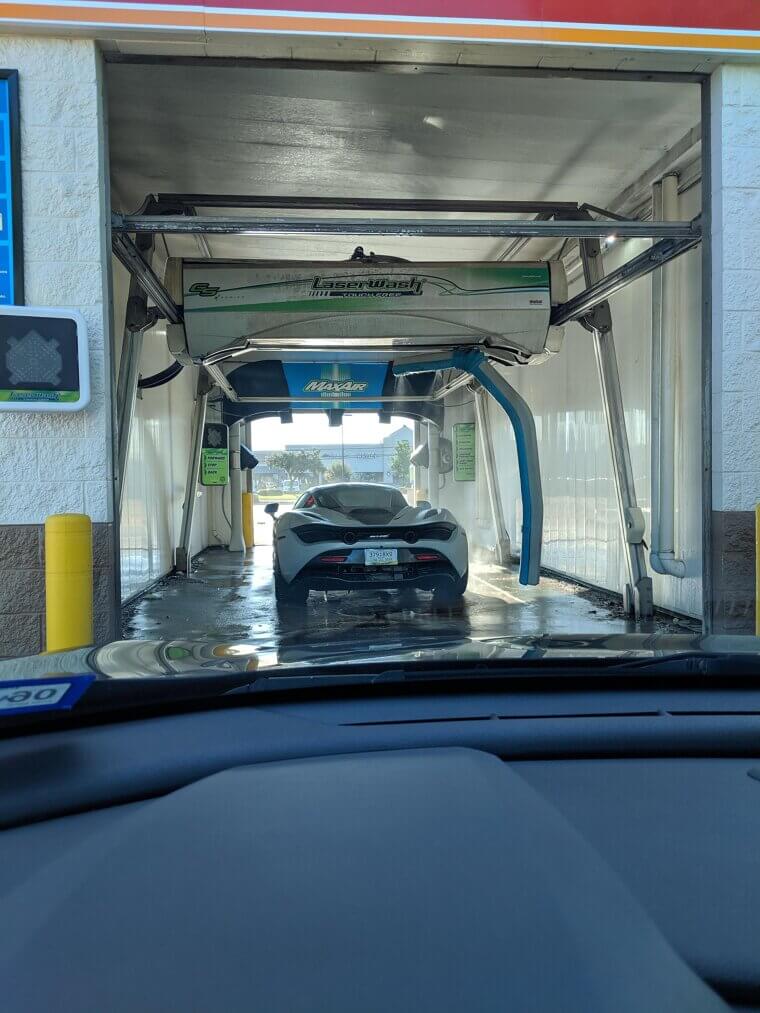
These ongoing cleaning costs are a recurring operational expense that many buyers overlook when calculating the true daily cost of vehicle ownership over several long years of driving enjoyment.
Extended Warranty Fine Print Exclusions
Purchasing an extended warranty provides a comforting sense of security against unexpected mechanical breakdowns after the factory coverage expires. However, many buyers fail to thoroughly read the complex fine print contained within these third-party service contracts. Many extended warranties feature long lists of excluded components, meaning they only cover specific parts while leaving you completely responsible for others. Furthermore, some contracts require you to pay a steep deductible per repair visit or require official prior approval before any work can begin.
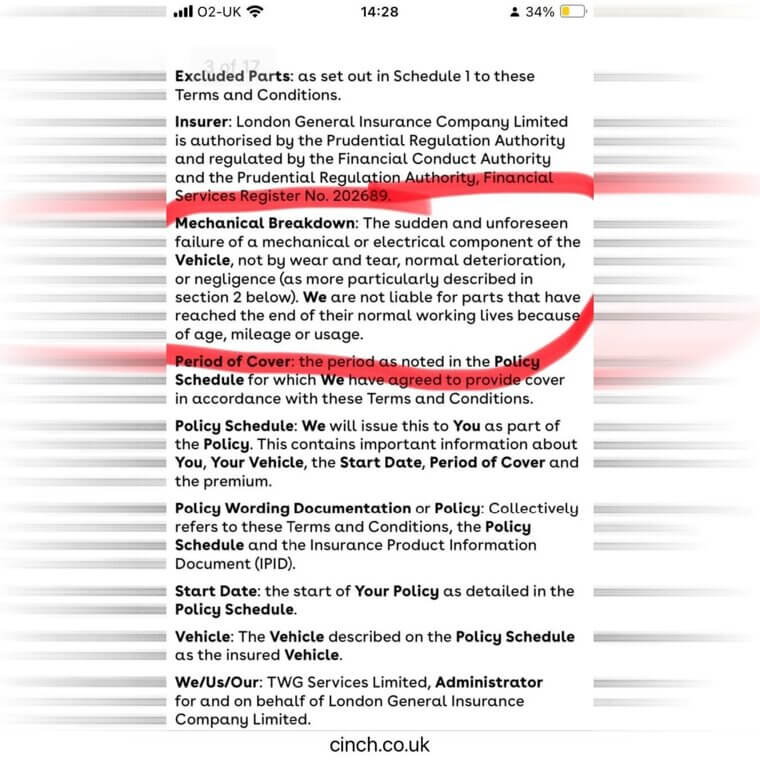
Discovering these hidden loopholes when your vehicle breaks down is an incredibly frustrating, stressful, and costly experience for any modern vehicle owner.