
Gas stations used to be full-service temples of Americana — uniformed attendants, glowing globes, and signs that made pulling over feel like an event. The stuff they left behind is now serious money. Here's what collectors are chasing hard.
Vintage Porcelain Gas Pump Signs
Porcelain enamel signs were built to last — baked onto steel at over 1,500 degrees — and that durability is exactly why collectors love them today. A clean, double-sided pump sign from the 1930s or 40s with vivid color and minimal chipping can fetch anywhere from $300 to well over $2,000. The brand matters enormously. Shell, Mobilgas, and Texaco command premiums. Watch for reproduction signs flooding the market — authentic pieces have a specific weight and edge rust pattern that fakes rarely nail.
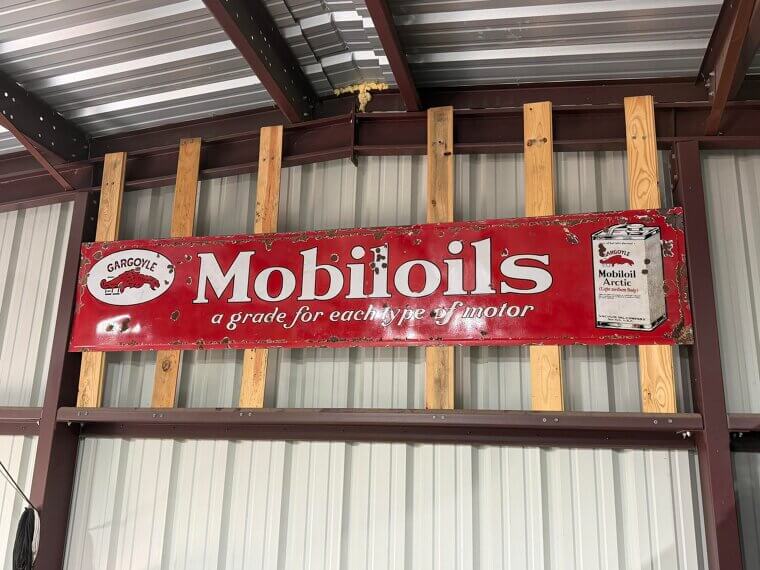
Condition is everything with porcelain. A single deep chip on the face can cut value by 40%. Collectors grade these like baseball cards — and argue about them just as passionately.
Tin Oil Can Collections Worth Keeping
Most people tossed them. A few people kept them. Now those few people are sitting on surprising value. Vintage tin oil cans — especially one-quart cans with colorful lithographed labels from brands like Kendall, Veedol, or Oilzum — regularly sell for $20 to $150 each depending on condition and rarity. Full, unopened cans with intact spouts are the holy grail. Collections of 20 or more matching cans displayed on a shelf have sold as lots for over $1,000. They're affordable entry points into gas station collecting.
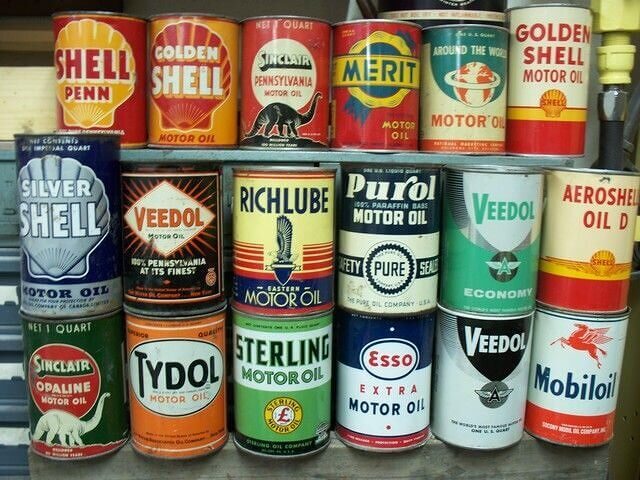
Oilzum's creepy mascot face makes those cans especially sought after. The weirder the branding, the more collectors want it. Normal-looking cans sit on shelves. Strange ones start bidding wars.
Flying Red Horse Mobil Pegasus Signs
Would you pay four figures for a flying horse? Thousands of collectors already have. The Mobil Pegasus — that iconic red winged horse — became one of the most recognized logos in American advertising history, and the porcelain signs featuring it are among the most coveted gas station items on the planet. Large double-sided die-cut Pegasus signs in excellent condition have sold for $3,000 to $7,000. Even smaller versions with minor wear regularly clear $500. The image is timeless, which is exactly why demand never cools.
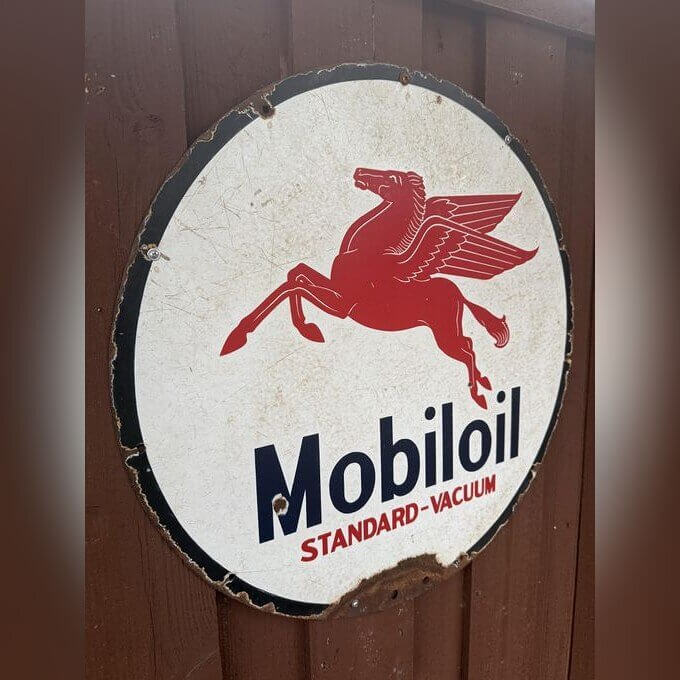
Mobil used the Pegasus logo from 1911 through the late 1990s, so there's a wide range of eras to collect. Earlier signs with deeper reds and heavier steel construction are the ones driving top dollar.
Classic Glass-Faced Visible Pumps
Picture this: a tall, narrow pump with a glass cylinder on top, gasoline visibly swirling inside as it fills your tank. That was the selling point — customers could see what they were buying. Visible pumps from the 1920s were as much theater as technology. Today, a fully restored Wayne or Bowser visible pump can command $8,000 to $15,000 at auction. Unrestored barn finds in working condition are actually preferred by purists who want original paint and hardware intact.
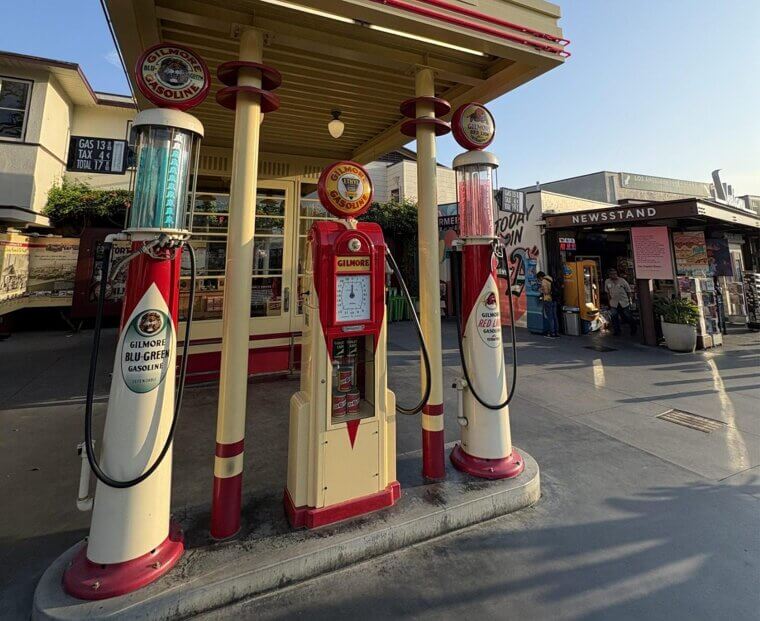
These pumps ran on gravity, not electricity. The attendant hand-pumped fuel up into the glass chamber first, then released it into your tank. Simple, elegant, and wildly collectible now.
Old Metal Gasoline Cans with Spouts
These weren't glamorous. They sat in garages, got kicked around, rusted on the bottom shelf. But a two-gallon metal gasoline can with an original brand label — especially from a company that no longer exists — is now a legitimate collectible. Clean examples from Mobiloil, Atlantic, or Richfield regularly sell for $75 to $250. The spout matters: original brass spouts with the cap intact add significant value. Some collectors focus exclusively on cans, assembling walls of 50 or more in their garages. It's a hobby that started cheap and quietly got expensive.
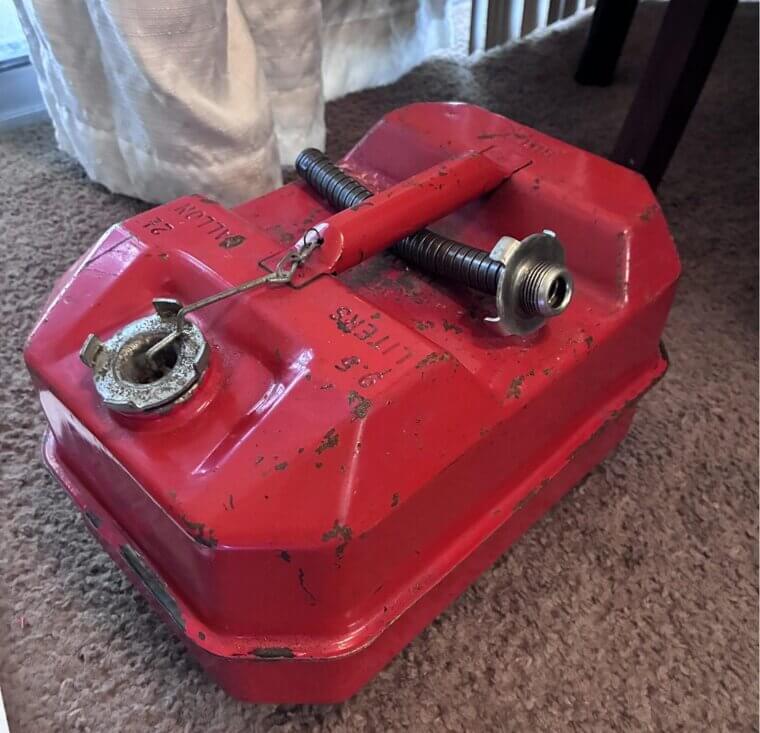
The best cans came with embossed logos rather than paper labels. Embossed designs survived decades of garage abuse. Paper labels almost never did — which makes intact paper-label cans worth a serious premium.
Texaco Star Logo Enamel Signs
The Texaco star is one of the most recognizable symbols in American commerce, and its enamel signs are everywhere in the collector market — but that familiarity cuts both ways. Common Texaco signs are plentiful and affordable, starting around $100 for small versions. The ones that spike in value are specific: early pre-war signs with the older star design, large double-sided road signs, and rare format variations. A 48-inch double-sided Texaco dealer sign from the 1940s recently sold for $2,800. The star never gets old, and neither does the demand.
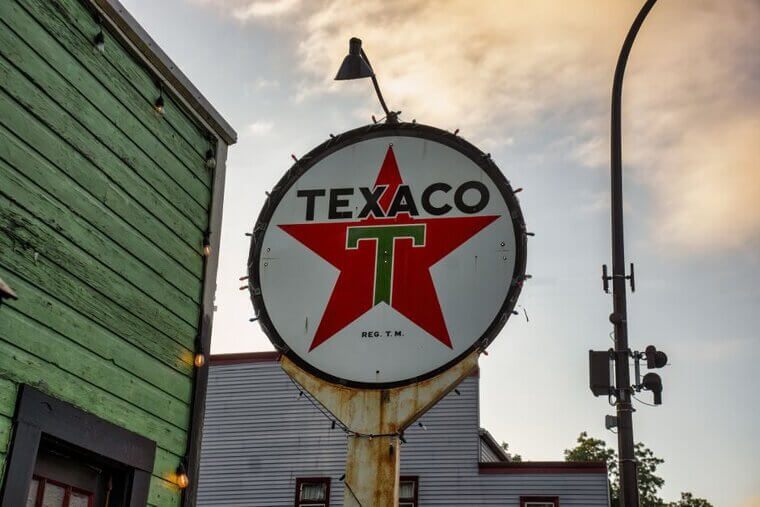
Texaco changed its logo design multiple times across the decades, which gives collectors a natural way to date pieces. Early signs used a slightly different star angle — a detail that separates the serious collectors from the casual ones.
Gas Pump Globes in Every Color
Not all globes were created equal — and collectors know it. The rarest pump globes aren't the famous brands. They're the regional ones: Frontier, Dixie, Zephyr, Aero. A one-piece etched glass globe from a small regional chain can outprice a common Texaco globe by a factor of five. Colors matter too. Red globes photograph well but are common. Blue and green examples from brands like Conoco or Sunoco are scarcer. At major petroliana auctions, the right globe in the right color from the right brand can hit $4,000 without breaking a sweat.
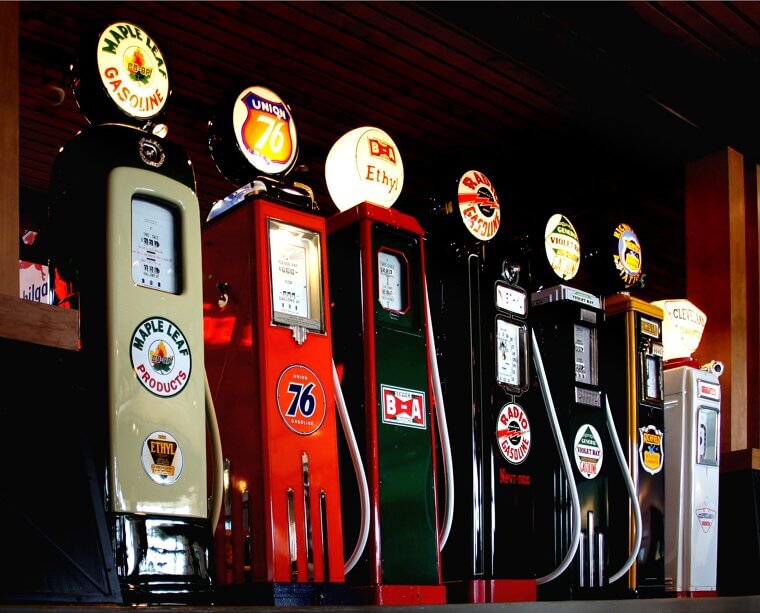
Reproduction globes are everywhere, and they're getting better every year. The tell is weight — original one-piece cast glass is noticeably heavier than modern reproductions. Pick it up before you bid.
Attendant Uniforms from the Full-Service Era
The guy who filled your tank, checked your oil, and cleaned your windshield wore a uniform — and that uniform is now a collectible artifact. Full-service era attendant shirts and jackets from the 1950s and 60s, especially with embroidered brand patches and name tags, sell for $80 to $300 depending on brand and condition. Complete uniforms with matching pants are rarer and command more. Texaco, Shell, and Mobilgas uniforms are the most sought-after. These aren't just clothing — they're wearable evidence of a service culture that vanished almost overnight.
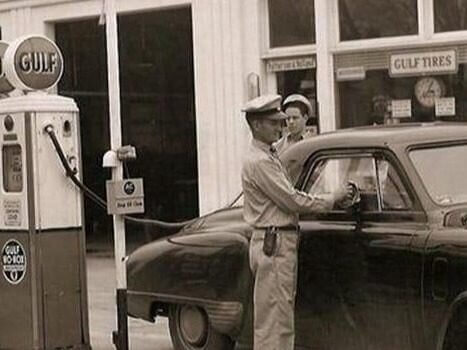
Some collectors frame the shirts behind glass like sports jerseys. Others actually wear them to car shows. Either way, a clean Texaco attendant jacket with the original patch is a genuine conversation piece worth real money.
Sinclair Dino Dinosaur Memorabilia
Sinclair's green dinosaur mascot launched in 1930 to remind customers that petroleum came from ancient organisms — and accidentally created one of the most beloved brand characters in advertising history. Dino the Brontosaurus appeared on everything: signs, inflatables, toys, banks, and promotional giveaways. Collector demand is fierce across all categories. A large porcelain Sinclair Dino sign in excellent condition can top $3,500. Vintage Dino inflatable parade balloons — the ones used at dealership events — are nearly impossible to find intact and have sold for over $2,000 when they surface.
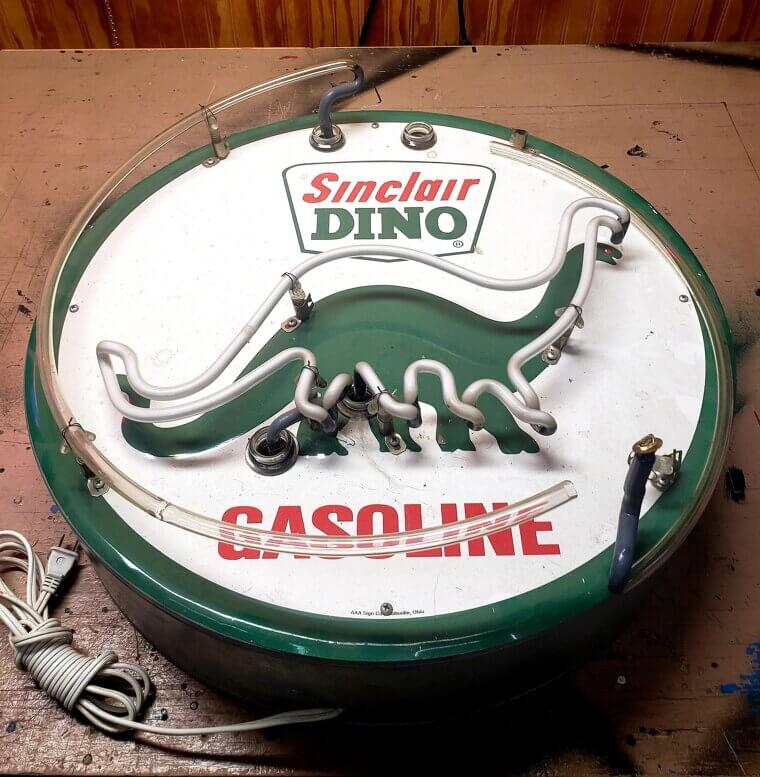
Sinclair handed out Dino toys at stations for decades. Those small plastic dinosaurs are now worth $15 to $60 each depending on color and condition. Kids threw them away. Collectors wish they hadn't.
Vintage Road Maps Given Away Free
Free. That's what they cost when Esso, Gulf, and Texaco handed them out by the millions at service stations across America. Today those same road maps — the ones that got stuffed in glove boxes, folded wrong, and mostly thrown away — are selling for $5 to $150 each. Rarity depends on the state, the year, and the oil company. Pre-1940 maps command the highest prices. Maps from states with small populations (Wyoming, Nevada) are scarcer than California or Texas editions. A complete run of one brand's maps across multiple decades is worth serious money to the right collector.
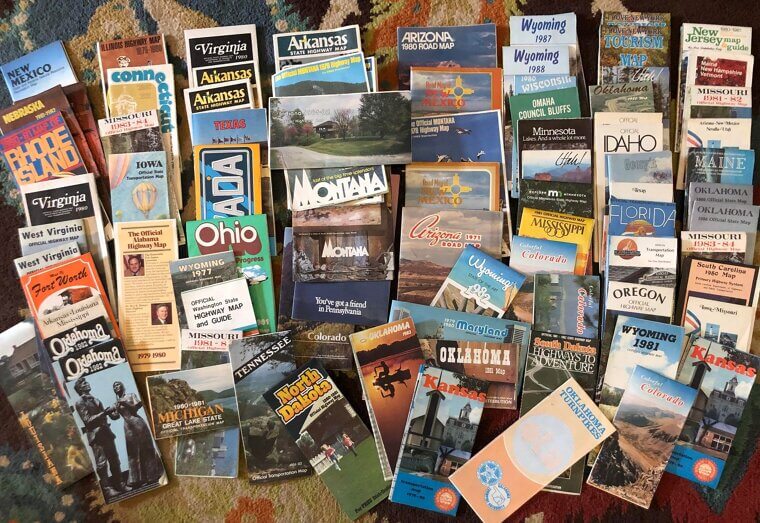
The artwork on vintage gas station maps is genuinely beautiful — illustrated covers featuring highways, landmarks, and brand mascots. Some collectors frame them as wall art. Interior designers have caught on, which pushed prices up fast.
Rare Gulf Oil Globes from the 1950s
Gulf's one-piece milk glass globe with its orange disc logo is one of the cleanest designs in gas station history — and one of the hardest to find in pristine condition. 1950s examples with no cracks, no crazing, and sharp orange color can push past $1,500 at serious collector auctions. The problem is fragility. Glass globes cracked, got knocked off pumps, and were replaced constantly. Survivors in excellent shape are genuinely rare. Two-piece versions with metal bands are more common but still valuable, typically ranging from $400 to $900.
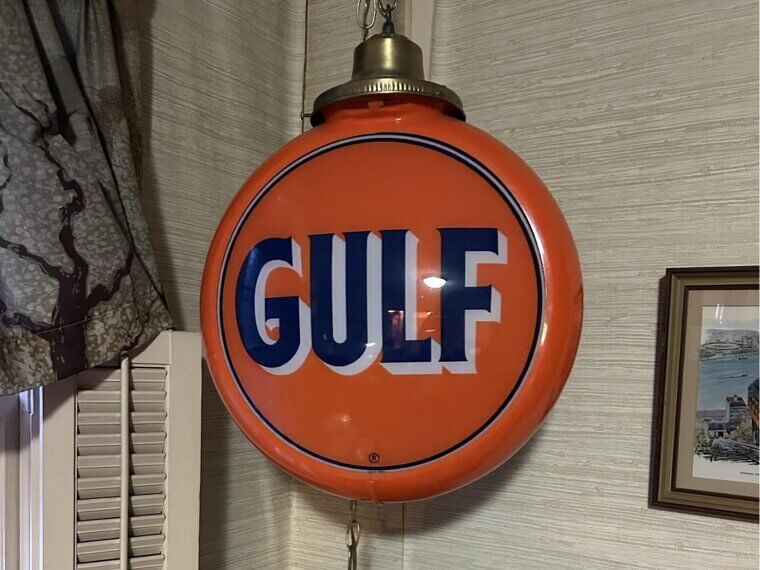
Gulf's orange-on-white color scheme photographed beautifully at night, which was part of the deliberate design strategy. Stations glowing orange were visible from a quarter mile away. Smart branding. Stunning collectibles.
Shell Oil Clam Shell Advertising Signs
Shell's logo is a clamshell, and they leaned into it hard. Shell advertising signs featuring the scallop shell design — especially the early die-cut porcelain versions shaped like an actual shell — are among the most visually striking pieces in petroliana collecting. A die-cut double-sided Shell porcelain sign in excellent condition is a $2,000-plus piece. Flat rectangular Shell signs are more common and more affordable, but the shaped ones are what collectors dream about. The design is so clean that even non-collectors recognize its appeal immediately.
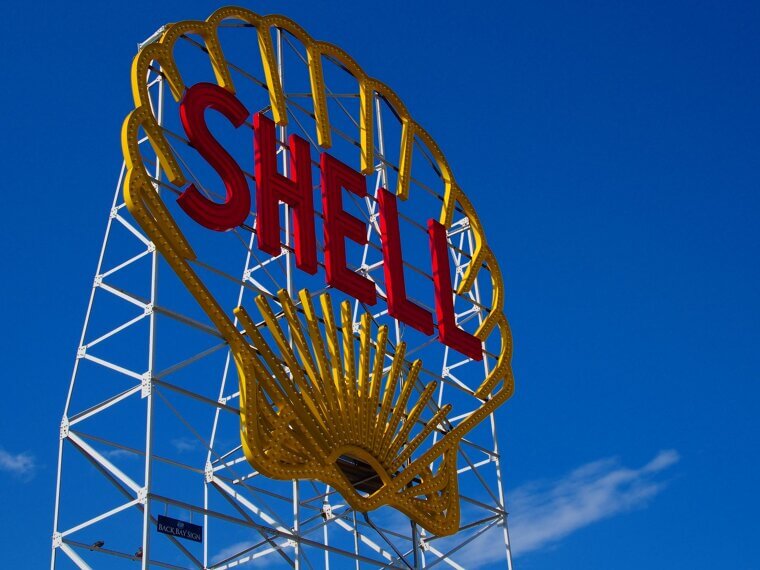
Shell's logo has barely changed since 1904, which makes dating signs tricky without knowing the specific design variants. Collectors study the subtle differences in shell shape and color across decades to authenticate and date pieces accurately.
Old Tire Pressure Gauges for Collectors
Here's a sleeper pick most people overlook completely. Vintage tire pressure gauges — the stick-style pencil gauges handed out as promotional items by oil companies and tire brands — are small, affordable, and quietly building a collector following. Gauges with original brand imprints from defunct companies like Atlantic Richfield or Sunray DX sell for $15 to $60 each. Boxed sets in original packaging can hit $150. They're easy to display, easy to store, and still cheap enough that building a collection of 30 or 40 doesn't require a second mortgage. Get in now before prices climb.
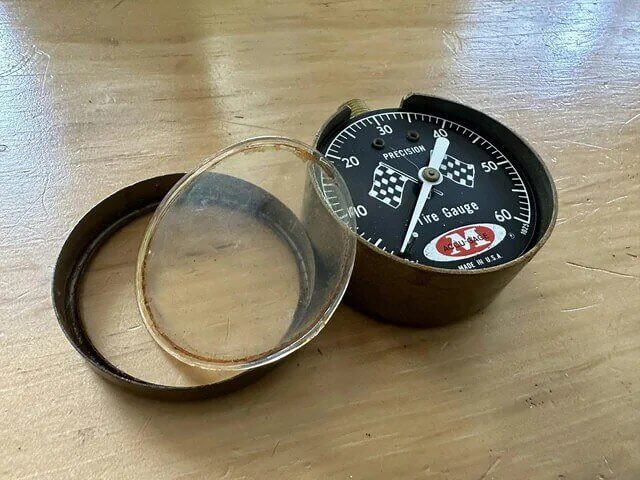
Gas stations gave these away as customer loyalty items throughout the 1950s and 60s. Millions were made, but almost none survived with original branding intact. The ones that did are genuinely underpriced right now.
Standard Oil Red Crown Gasoline Signs
Standard Oil's Red Crown gasoline brand predates most of its competitors, launching in 1911 and becoming one of the dominant fuel brands across the Midwest and beyond. The signs featuring the red crown logo — especially the large circular enamel versions — are among the most historically significant pieces in gas station collecting. Clean examples in the 30-inch diameter range regularly fetch $1,500 to $3,000. The brand's long history means there are multiple design variations to collect, spanning nearly five decades of subtle logo changes that serious collectors track obsessively.
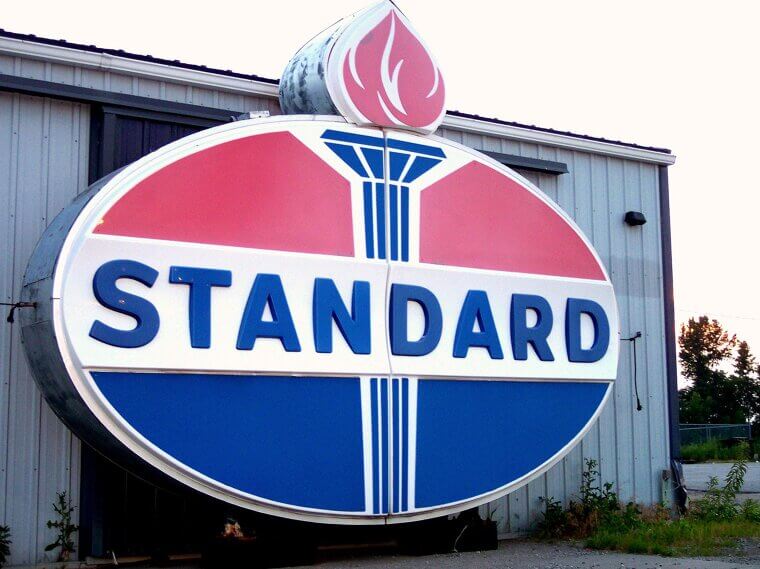
Standard Oil was broken into multiple regional companies after antitrust action, which is why Red Crown signs appear under different parent companies depending on the region. That geographic variation makes building a complete regional set genuinely challenging.
Pump Plates with Brand Logos on Them
Pump plates are the rectangular metal signs that bolted directly onto the face of a gas pump, identifying the brand and grade of fuel inside. They're smaller than roadside signs, more durable than paper labels, and absolutely packed with mid-century graphic design charm. Prices range widely — common Texaco or Shell pump plates start around $50, while rare regional brand plates or unusual grade designations (Ethyl, Hi-Test, Super) can push past $400. Collectors often display them in grid arrangements, and a well-curated wall of 20 pump plates looks genuinely impressive.
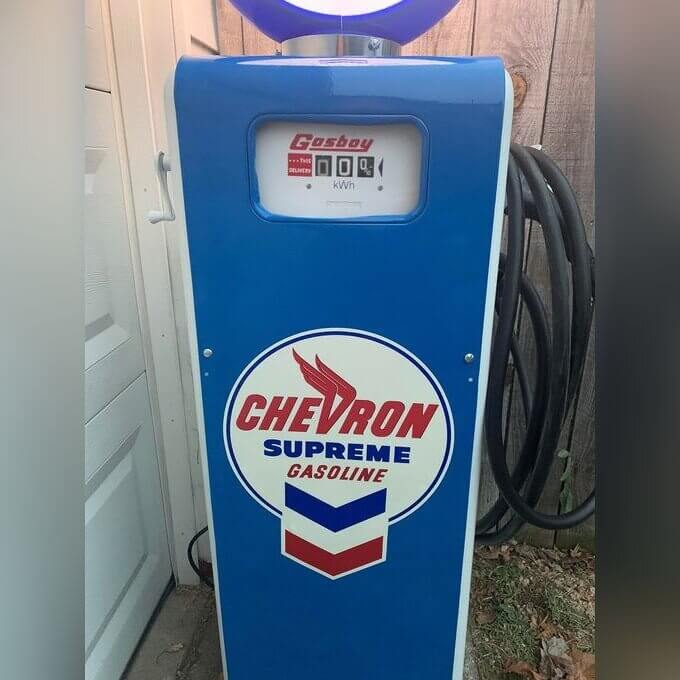
Some pump plates were made of porcelain enamel; others were lithographed tin. Porcelain versions are more durable and more valuable. Tin versions show age more dramatically — and sometimes that patina is exactly what collectors want.
Grease Buckets with Original Brand Labels
Nobody thought to save the grease buckets. They were working tools — squat metal pails used in the lube bay, stamped or stenciled with brand names like Mobilgrease, Alemite, or Conoco. They got dirty, got dented, got thrown out. Which is exactly why a clean example with an original label still intact is worth $75 to $200 today. Full, sealed buckets are extraordinarily rare and can triple that number. It's the ultimate example of petroliana logic: the more disposable something seemed at the time, the more valuable it becomes when almost none survive.
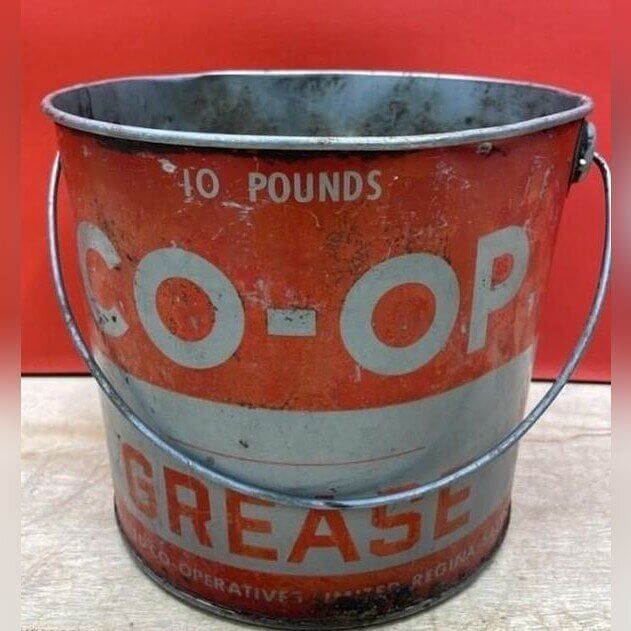
Grease bucket collectors are a specific breed — they want the working-class, back-of-the-station stuff that everyone else ignored. It's a rebellion against the glamour of globes and signs. Grimy authenticity has its own market.
Antique Air and Water Service Signs
$800 for a sign telling you where the air hose is. That's the market now. Vintage porcelain air and water service signs — the ones that hung near the pump island directing customers to free tire inflation and windshield washing — have become surprisingly hot collectibles. The best examples feature bold graphics, multiple colors, and original mounting hardware. Free Air signs with the word FREE in large letters are especially popular. Condition and originality of mounting holes matter more than most buyers expect. These were utility signs. Now they're art.
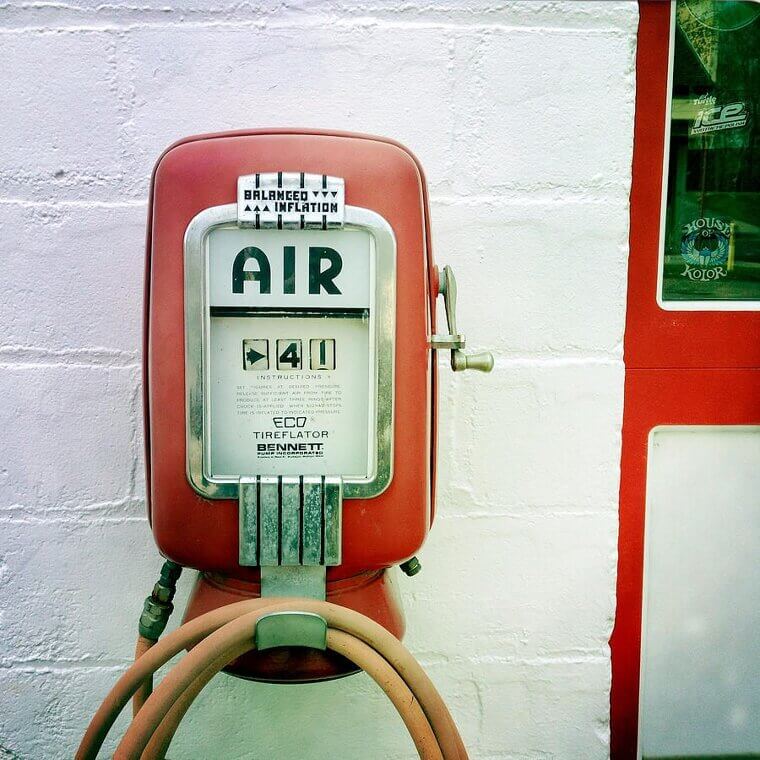
The irony isn't lost on collectors: signs advertising free services now cost hundreds of dollars to own. A pristine double-sided Free Air sign from the 1940s is legitimately a $1,200 piece at the right auction.
Pennzoil Motor Oil Tin Cans
Pennzoil's yellow and black color scheme is one of the most recognizable in motor oil history, and vintage tin cans wearing those colors are steady sellers in the collector market. One-quart cans from the 1950s and 60s in excellent condition sell for $30 to $100. Five-quart cans are larger, harder to find undamaged, and command $150 to $300. The real prizes are early flat-top cans with paper labels — those rarely survived intact. Pennzoil also produced promotional items, thermometers, and signs that all carry the same loyal collector following as the cans themselves.
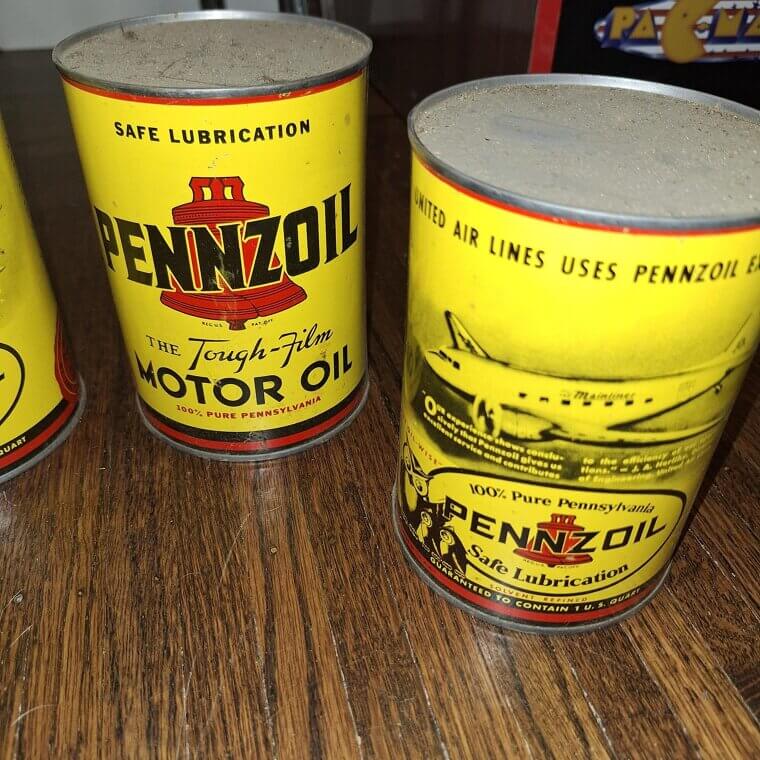
Pennzoil's slogan 'Sound Your Z' appeared on cans and signs for decades. Collectors who grew up seeing that yellow can in their dad's garage often start their collections there. Nostalgia is a powerful pricing engine.
Phillips 66 Shield Signs and Memorabilia
The Phillips 66 shield is one of the great American logo designs — bold, simple, and instantly readable from a moving car. Signs featuring that orange and black shield have a dedicated collector base that keeps prices climbing. Standard roadside signs in good condition start around $300. Large double-sided dealer signs push well past $1,500. The brand also produced a remarkable range of promotional items — banks, toys, thermometers, and maps — that give collectors multiple entry points at different price levels. Phillips 66 collectors are organized, passionate, and not shy about outbidding each other.
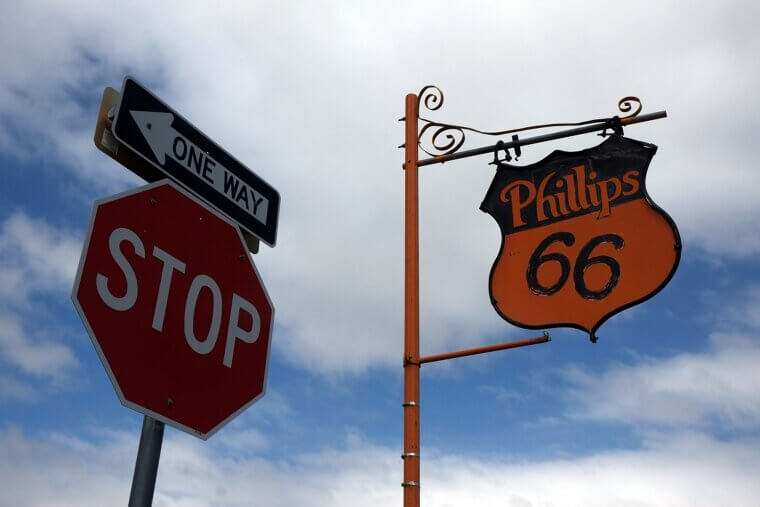
The Phillips 66 name came from the brand's original test drive on Route 66, where a company car hit 66 mph while testing the new fuel. Whether that story is entirely true is debated. The signs are real, and so are the prices.
Vintage Radiator Thermometer Gauges
These are the forgotten instruments of the lube bay — radiator thermometers, the kind a mechanic clipped onto a coolant hose to check engine temperature before the job started. Branded versions given out as service premiums by Mobiloil, Havoline, and Conoco are now legitimate collectibles. Working examples with original faces and correct brand markings sell for $40 to $180. Non-working display pieces with great graphics still move for $25 to $75. They're small, specific, and completely overlooked by casual buyers — which means prices are still reasonable.
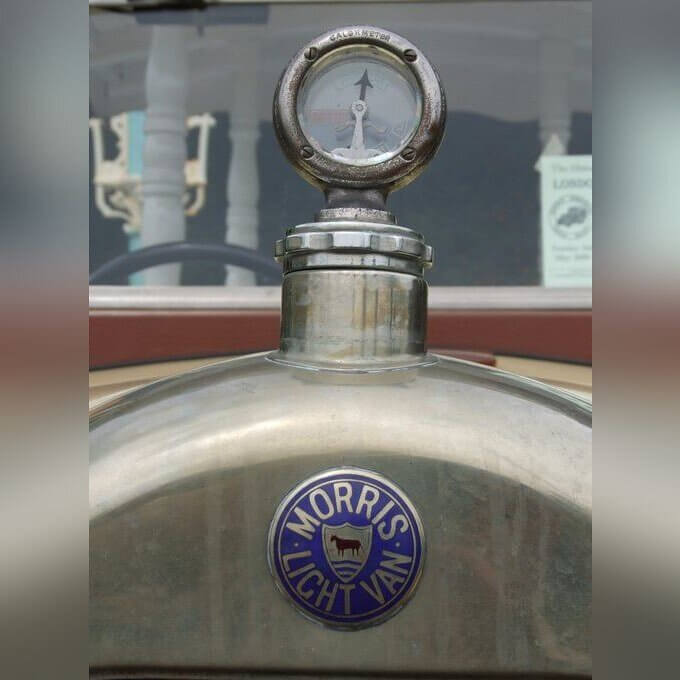
The overlap between automotive tool collectors and petroliana collectors is real, and these gauges sit right in the middle. Both groups want them, which creates competitive bidding at swap meets and online auctions. Get there early.
Old Gasoline Pump Nozzles and Hoses
Most people walk past old pump nozzles at swap meets without a second glance. That's a mistake. Vintage gas pump nozzles — especially early automatic-shutoff models from the 1950s and 60s by manufacturers like Buckeye and OPW — are legitimate collectibles with a growing following. Clean, complete nozzles with original hose sections attached sell for $50 to $200. Rare early models or those with original brand markings command more. Displayed on a garage wall with other petroliana, a row of vintage nozzles looks genuinely cool. Function became sculpture when the pumps stopped working.
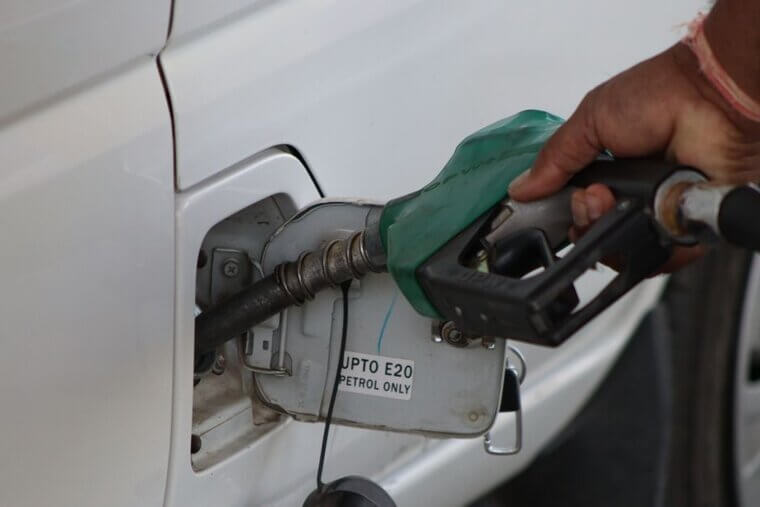
OPW (Ohio Pipe and Welding) nozzles are the most collected. Their early models have a mechanical elegance that modern nozzles completely lack. Collectors who understand the engineering appreciate them on a different level than pure logo hunters.
Quaker State Motor Oil Cans
Green and white. That's the Quaker State color story, and it's one of the most consistent in motor oil history. Vintage Quaker State one-quart tin cans with the classic green label are everywhere in the collector market — common enough that prices stay accessible, typically $20 to $60 for standard examples. But here's the twist: early flat-top cans from the 1940s with paper labels, or promotional display cans that were never meant to be sold, can push past $200. The brand's longevity means there are 60-plus years of can variations to collect, which keeps dedicated collectors busy for decades.
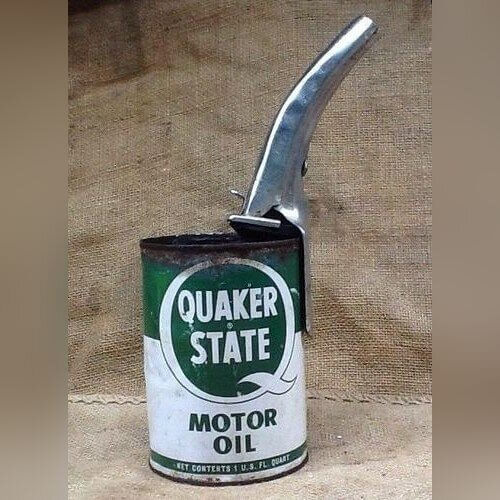
Quaker State also produced branded thermometers, signs, and service station displays that command much higher prices than the cans. The cans are the entry point. The signs are where serious money lives.
Conoco Minuteman Advertising Signs
Here's a name that stops most people cold: Conoco Minuteman. The image — a Revolutionary War minuteman in colonial uniform — was one of the more unusual mascots in gas station advertising, and the signs featuring him are among the most visually distinctive in petroliana collecting. Large porcelain Conoco Minuteman signs in excellent condition have sold for $2,500 to $4,500. The character appeared on signs, maps, and promotional items throughout the 1950s before Conoco shifted its branding. Scarcity plus great graphics plus a defunct mascot equals serious collector demand.
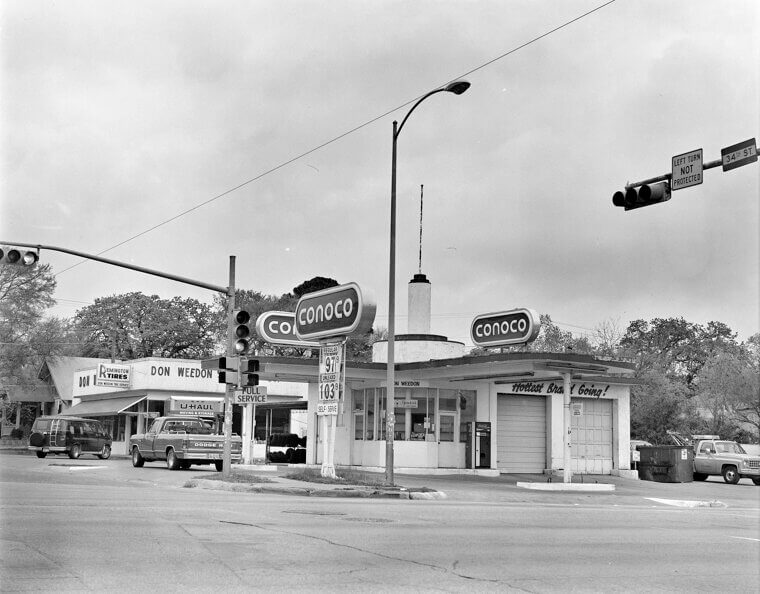
Conoco used the Minuteman to suggest precision and reliability — a soldier ready at a moment's notice. The metaphor was a stretch, but the image worked. Now those signs are the most valuable things to come out of that marketing campaign.
Sunoco Blue and Yellow Diamond Signs
Sunoco's blue and yellow diamond logo is one of the cleaner designs in gas station history — geometric, modern-looking even by today's standards, and immediately recognizable. Signs featuring the diamond logo have a strong regional following in the Northeast, where Sunoco had its deepest market penetration. Standard porcelain Sunoco diamond signs sell for $200 to $600 depending on size and condition. The brand also produced unusual promotional items, including blue-tinted pump globes that are genuinely scarce. Sunoco collectors tend to be quietly obsessive — they're not the loudest group at petroliana shows, but they're consistently the most prepared bidders.
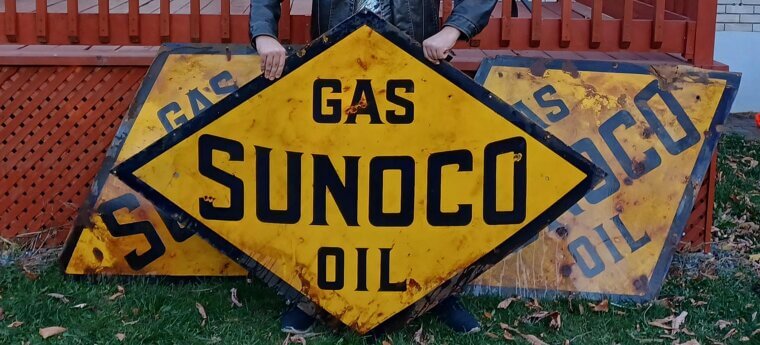
Sunoco's blue globe is one of the few pump globes where color is the primary value driver. Blue glass is naturally rarer than white or red, and Sunoco's specific shade photographs beautifully. That combination keeps prices climbing.
Antique Visible Gas Pump Cylinders
Separate from complete visible pumps, the glass cylinders themselves — the actual measuring chambers that held fuel on display — are collected as standalone objects. An intact visible pump cylinder with original brass fittings and clear, uncracked glass is a remarkable thing to hold. These cylinders were made in 1, 2, and 5-gallon sizes, with the larger versions being significantly rarer. Prices for excellent examples range from $300 to $1,200 depending on size, clarity, and hardware completeness. Displayed on a shelf with light behind them, they look like laboratory equipment from a more elegant era of engineering.
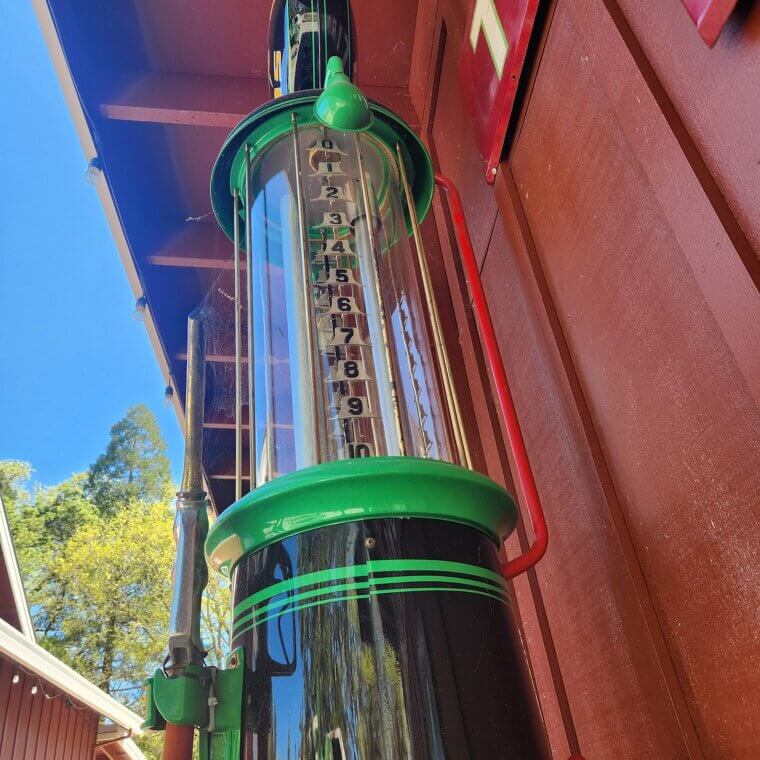
The glass used in these cylinders was specially formulated to resist fuel degradation — a technical challenge that 1920s glassmakers solved elegantly. Collectors who understand the manufacturing history appreciate these on a completely different level.
Richfield Eagle Logo Collectible Signs
Richfield was a major West Coast petroleum brand that merged with Atlantic in 1966 to form ARCO — and when it disappeared, its eagle logo went with it. That extinction is exactly what drives collector interest. Richfield eagle signs are regional rarities: common in California and the Pacific Northwest, almost unknown east of the Rockies. A large porcelain Richfield Ethyl sign with the eagle in excellent condition has sold for over $3,000 at West Coast auctions. Even smaller format signs command $800 to $1,500. Regional brands that no longer exist consistently outperform national brands in collector markets.
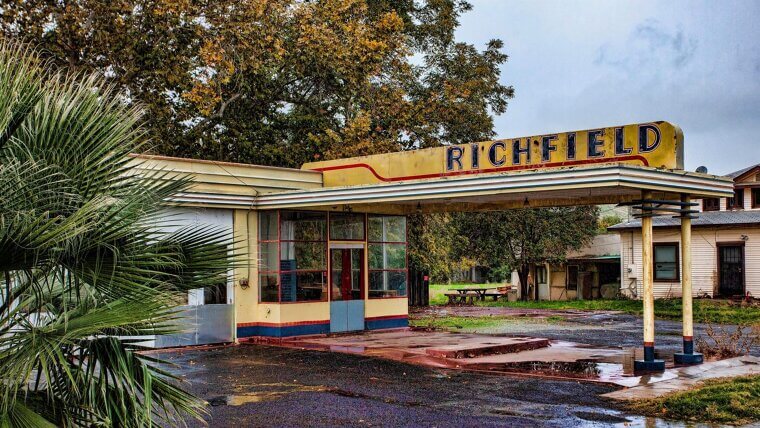
The Richfield eagle was a genuinely bold piece of logo design — aggressive, detailed, and completely unlike anything competitors were using. Its regional scarcity outside California makes finding clean examples in other states a genuine discovery.
Vintage Gasoline Pump Decals and Plates
Decals and pump plates occupy different price territory than porcelain signs, which makes them perfect entry points for new collectors. Vintage gasoline pump decals — the paper or foil stickers applied to pump faces identifying fuel grade and brand — rarely survived intact. The ones that did, still adhered to original metal plates, are small time capsules. Intact pump plate and decal combinations from brands like Esso, Amoco, or Cities Service sell for $40 to $200. They're affordable, historically specific, and easy to frame. The best ones look like vintage packaging design because that's exactly what they are.
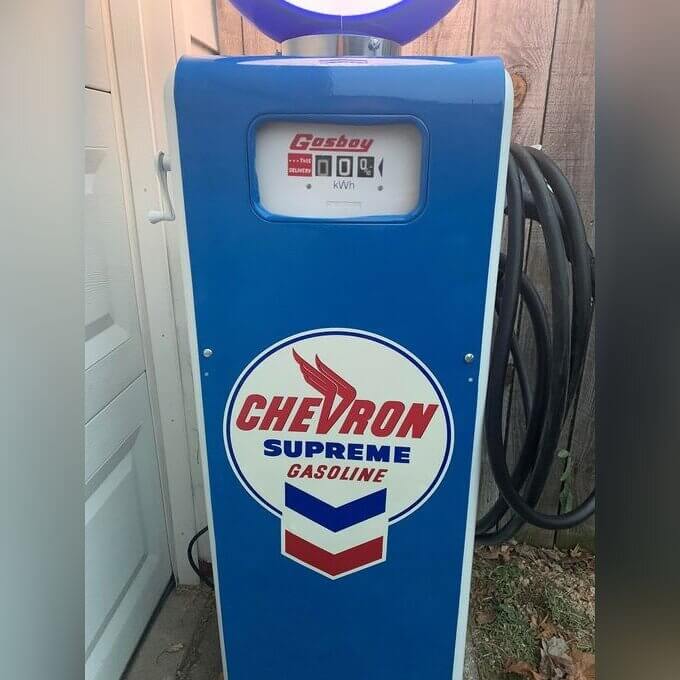
Pump decals were changed seasonally as brands updated their grades and pricing. That constant turnover is why so few survived. Finding a complete original decal on its original plate is genuinely uncommon — and the condition premium is real.
Esso Tiger Promotional Items from the 1960s
Put a tiger in your tank. That 1964 Esso campaign was one of the most successful advertising slogans in history, and the promotional merchandise it spawned is now a full collector category. Tiger tails — the fabric tails meant to hang from your gas cap — sell for $30 to $80 in good condition. Plush tiger toys given away at stations hit $50 to $150. But the real prizes are the large display items: tiger-shaped inflatables, point-of-sale displays, and station signage featuring the cartoon tiger. A complete original Tiger campaign display set has sold for over $1,500. The tiger never really left.
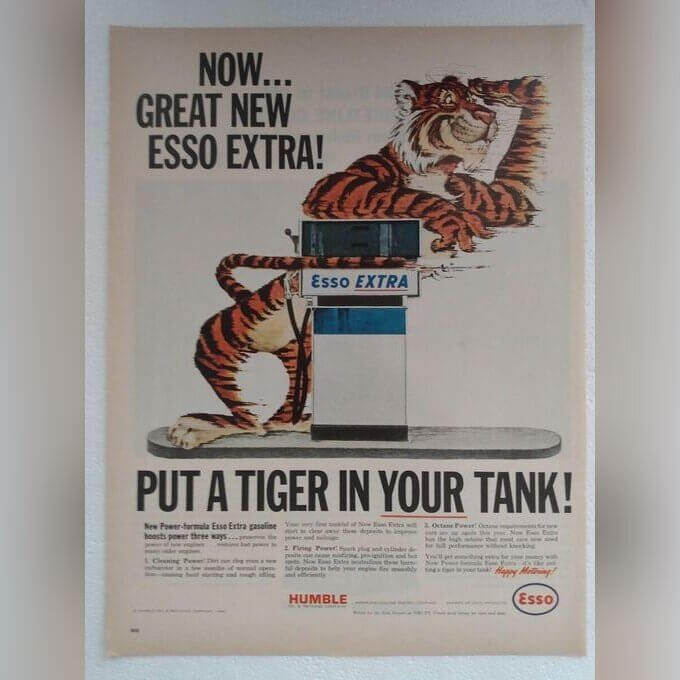
The Esso Tiger campaign ran in over 40 countries simultaneously, making it one of the first truly global advertising campaigns. International versions of tiger merchandise are now collected alongside American pieces, and some foreign market items are significantly rarer.
Rare One-Piece Cast Iron Pump Bodies
$15,000. For a pump. That's where the market goes when you find a genuine one-piece cast iron pump body from the early 1920s — the kind made before sheet metal fabrication took over, when pump housings were cast as single units in iron foundries. These are the dinosaur bones of petroliana collecting. Wayne, Bowser, and Tokheim all produced cast iron models that weigh several hundred pounds and survive precisely because of that mass. Fully restored examples with original paint and decals have sold for $12,000 to $20,000. Unrestored originals with honest patina sometimes bring more from the right buyer.
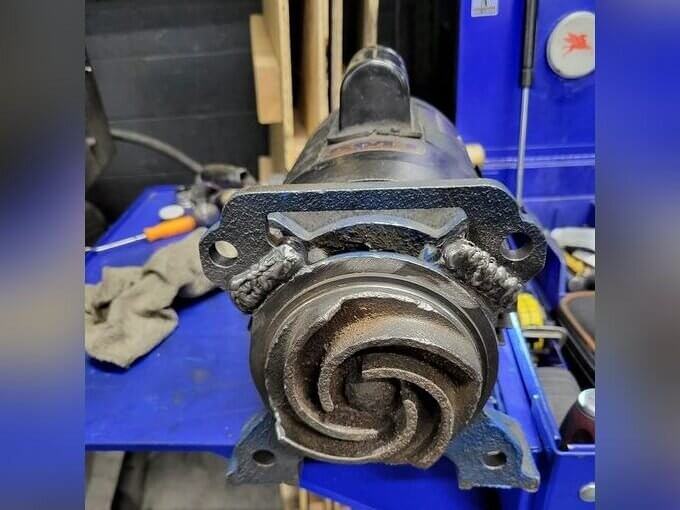
Moving one of these requires a forklift and a truck with a reinforced bed. That physical reality keeps casual collectors away and prices surprisingly stable. The people who buy cast iron pumps are serious, and they pay accordingly.
Antique Fuel Price Signs from Old Stations
Gas was 19 cents a gallon. The sign said so. Antique fuel price signs — the manually changeable letter-and-number boards that stations used to advertise current prices — are nostalgic gut-punches that sell on emotion as much as rarity. Complete original price sign assemblies with working number tracks and original brand headers sell for $150 to $600. The numbers themselves, the individual price digits, are collected separately and sell for $5 to $20 each. But it's the complete signs with low prices still set that move fastest — there's something about seeing 23.9 cents per gallon frozen in time that makes people reach for their wallets.
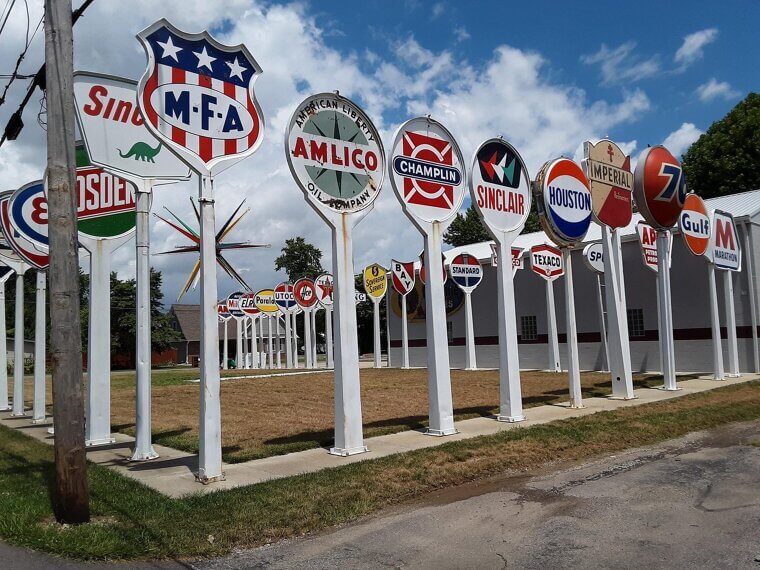
Some collectors display these signs with historically accurate prices from specific years — 1965, 1973, 1979. The 1973 oil crisis prices are especially popular. Nothing communicates inflation quite like a gas price sign from 50 years ago.